
 SCHEDULE A SERVICE

Content:
- 1 Electrical Safety Inspection
- 2 What Is an Electrical Safety Inspection?
- 3 What Does an Electrical Safety Inspection Include?
- 4 What Do Electricians Check in an Electrical Panel?
- 5 How Do Electricians Inspect Electrical Wiring?
- 6 What Are the Signs You Need an Electrical Safety Inspection?
- 7 When Should You Schedule an Electrical Safety Inspection?
- 8 How Often Should a Home Have an Electrical Safety Inspection?
- 9 Electrical Safety Inspections for Older Homes
- 10 Can an Electrical Safety Inspection Identify Overloaded Circuits?
- 11 Does an Electrical Safety Inspection Include the Electrical Panel?
- 12 Does an Electrical Safety Inspection Mean You Need Rewiring?
- 13 What Happens If an Electrical Inspection Finds a Problem?
- 14 Electrical Safety Inspection vs. Electrical Repair
- 15 Electrical Safety Inspection vs. Electrical Code Inspection
- 16 How Long Does an Electrical Safety Inspection Take?
- 17 How Much Does an Electrical Safety Inspection Cost?
- 18 Should You Get an Electrical Inspection Before Buying a House?
- 19 Should You Get an Electrical Inspection Before Remodeling?
- 20 Should You Get an Electrical Inspection Before Installing an EV Charger?
- 21 Should You Get an Electrical Inspection Before Installing HVAC Equipment?
- 22 Electrical Safety Inspection in Fredericksburg, TX
- 23 Frequently Asked Questions About Electrical Safety Inspections
- 23.1 What does an electrical safety inspection include?
- 23.2 How do electricians inspect wiring?
- 23.3 How much does an electrical safety inspection cost?
- 23.4 How often should electrical wiring be inspected?
- 23.5 Does an electrical inspection mean repairs are required?
- 23.6 Does an electrical safety inspection mean my house needs rewiring?
- 23.7 Can an electrical inspection identify a bad circuit breaker?
- 23.8 Can an electrical inspection identify overloaded circuits?
- 23.9 Should I have an electrical inspection before buying a home?
- 23.10 Is an electrical safety inspection the same as a code inspection?
- 23.11 Should I schedule an electrical inspection after remodeling?
- 23.12 Do older homes need electrical safety inspections?
- 23.13 Can I get an electrical inspection before installing an EV charger?
- 23.14 Does an electrical inspection automatically require an electrical panel replacement?
- 24 Schedule an Electrical Safety Inspection in Fredericksburg, TX
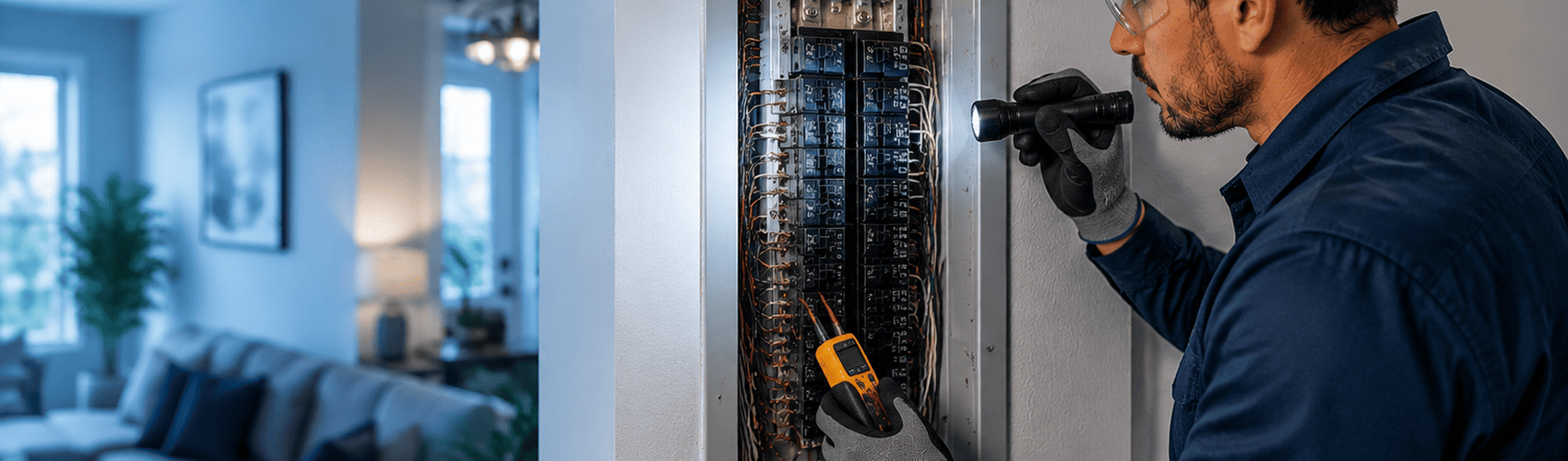
An electrical safety inspection is a professional evaluation of a home’s electrical system to identify unsafe conditions, damaged components, overloaded circuits, improper connections, and other issues that may affect electrical safety or reliability.
During an inspection, an electrician may evaluate accessible wiring, the electrical panel, circuit breakers, outlets, switches, grounding, GFCI protection, electrical connections, and circuit performance. The inspection helps determine whether the electrical system is operating properly and whether repairs, troubleshooting, or upgrades should be considered.
Electrical Safety Inspection
| Question | Quick Answer |
| What is an electrical safety inspection? | A professional evaluation of a home’s electrical system to identify unsafe, damaged, or improperly operating components. |
| What does an electrician inspect? | Accessible wiring, panels, breakers, outlets, switches, grounding, circuits, and electrical connections. |
| When should you schedule an inspection? | When you experience recurring electrical problems, buy an older home, remodel, or add major electrical equipment. |
| Does an inspection mean repairs are needed? | Not necessarily. Repairs depend on the specific conditions identified during the inspection. |
| Can an inspection identify overloaded circuits? | Yes. An electrician can evaluate signs of excessive electrical demand and circuit-related problems. |
| Does an inspection include the electrical panel? | Yes. The panel is an important part of evaluating the electrical system. |
| Does an inspection mean the house needs rewiring? | No. Rewiring is only one possible recommendation when wiring problems are found. |
What Is an Electrical Safety Inspection?
An electrical safety inspection examines key parts of a home’s electrical system to identify conditions that may require repair, further testing, or professional attention.
Rather than focusing on a single outlet, breaker, or electrical problem, an inspection looks at how multiple parts of the system work together.
Depending on the property and scope of the inspection, an electrician may evaluate:
- Electrical wiring
- Electrical panels
- Circuit breakers
- Outlets
- Light switches
- Grounding and bonding
- Electrical connections
- Electrical circuits
- GFCI protection
- Signs of overheating
- Corrosion
- Visible electrical damage
- Previous electrical modifications
The purpose is to identify actual electrical conditions first so any recommended repair can be based on what the system needs.
What Does an Electrical Safety Inspection Include?
A residential electrical safety inspection may include evaluation of the components responsible for distributing and controlling electricity throughout the home.
| Electrical Component | What May Be Evaluated |
| Electrical panel | Condition, overheating, corrosion, loose connections, breaker configuration, available capacity |
| Circuit breakers | Condition, operation, recurring tripping, compatibility |
| Wiring | Visible deterioration, damage, overheating, improper connections |
| Outlets | Damage, heat, grounding, loose connections, abnormal operation |
| Switches | Physical condition, heat, loose operation, unusual behavior |
| Grounding and bonding | Condition and connection of accessible grounding components |
| Electrical circuits | Signs of overload, recurring faults, abnormal performance |
| GFCI protection | Presence and operation where applicable |
| Electrical connections | Loose, damaged, deteriorated, or improperly installed connections |
The exact inspection may vary depending on the age, condition, size, accessibility, and electrical configuration of the home.
What Do Electricians Check in an Electrical Panel?
The electrical panel is a central part of the home’s electrical system because it distributes power to individual circuits.
During an inspection, an electrician may check for:
- Loose electrical connections
- Signs of overheating
- Burn marks or discoloration
- Corrosion
- Damaged breakers
- Frequently tripping breakers
- Improper breaker configurations
- Physical panel damage
- Available circuit capacity
- Signs of excessive electrical demand
A problem inside the electrical panel does not automatically mean the panel needs to be replaced.
Depending on the condition found, the appropriate solution may involve:
- Repairing a connection
- Circuit troubleshooting
- Replacing a breaker
- Electrical panel repair
- Adding a dedicated circuit
- Electrical panel replacement
How Do Electricians Inspect Electrical Wiring?
Electricians can inspect accessible wiring and electrical connections for visible signs of damage, deterioration, overheating, loose connections, or improper installation.
The evaluation may include:
- Visible wiring
- Electrical boxes
- Outlet connections
- Switch connections
- Electrical panel connections
- Grounding components
- Circuit behavior
- Signs of heat or damage
- Previous electrical modifications
Not all residential wiring is visible because much of it runs behind walls and ceilings.
If accessible components or electrical testing suggest a concealed wiring problem, additional troubleshooting may be needed.
What Are the Signs You Need an Electrical Safety Inspection?
You do not need to wait for a complete electrical failure before having your home’s electrical system evaluated.
Recurring or unusual electrical behavior can indicate that an inspection is appropriate.
Frequent Circuit Breaker Trips
Circuit breakers are designed to shut off power when they detect unsafe electrical conditions.
Repeated breaker trips may result from:
- Circuit overloads
- Short circuits
- Ground faults
- Damaged wiring
- Faulty appliances
- Loose connections
- Breaker problems
Repeatedly resetting a breaker without identifying why it trips can leave the underlying problem unresolved.
Flickering or Dimming Lights
Lights that frequently flicker or dim may indicate electrical load, wiring, circuit, or connection problems.
The issue may become more noticeable when large appliances or HVAC equipment start.
Warm or Discolored Outlets
Outlets and switches should not become excessively hot during normal use.
Warm surfaces, discoloration, or scorch marks can indicate overheating, damaged wiring, or loose electrical connections.
Burning Electrical Odors
A persistent burning smell near an outlet, switch, fixture, or electrical panel may indicate overheating electrical components and should be evaluated promptly.
Buzzing, Crackling, or Popping Sounds
A properly operating residential electrical system should generally be quiet.
Buzzing, crackling, or popping sounds may indicate loose connections, damaged components, or another electrical problem.
Sparking Outlets or Switches
Persistent or unusual sparking from an outlet, switch, or electrical component can indicate a problem that should be professionally inspected.
Electrical Shocks or Tingling
A shock or tingling sensation when touching an appliance, switch, outlet, or fixture can indicate a grounding, wiring, or equipment issue.
Recurring Problems in Multiple Areas
If electrical problems occur throughout different areas of the home, a broader electrical safety inspection may help determine whether the issues are connected.
When Should You Schedule an Electrical Safety Inspection?
An electrical safety inspection can be useful whenever you need a clearer understanding of the condition of your home’s electrical system.
When Buying a Home
An electrical inspection can help identify visible electrical concerns before or after purchasing a property.
This can be particularly valuable for:
- Older homes
- Renovated properties
- Homes with additions
- Properties with an unclear electrical history
- Homes showing signs of previous DIY electrical work
When Living in an Older Home
Older electrical systems may have been designed when households used far fewer electrical devices.
Modern homes may now need to support:
- HVAC systems
- Electric water heaters
- Kitchen appliances
- Home offices
- Smart-home equipment
- Entertainment systems
- EV chargers
- Workshop equipment
An inspection can help determine whether the existing electrical system is suitable for the home’s current electrical demand.
Before Remodeling
Renovations can change the electrical requirements of a space.
A remodeling project may involve:
- Additional outlets
- New lighting
- Appliances
- HVAC equipment
- New circuits
- Relocated switches
- New rooms
Evaluating the electrical system before or during remodeling can help identify electrical improvements that should be included in the project.
Before Adding High-Demand Equipment
Major electrical equipment may place additional demand on the electrical system.
Examples include:
- EV chargers
- HVAC systems
- Electric ranges
- Electric water heaters
- Workshop equipment
An electrical evaluation can help determine whether the existing circuits, wiring, panel, and electrical service can support the new equipment.
After Recurring Electrical Problems
Repeated breaker trips, flickering lights, overheating outlets, or other recurring issues may indicate that a broader inspection is appropriate.
After Previous DIY Electrical Work
Electrical modifications performed without clear documentation can be worth evaluating, particularly if you are experiencing unusual electrical behavior.
How Often Should a Home Have an Electrical Safety Inspection?
There is no single inspection schedule that is appropriate for every home.
How often an electrical system should be evaluated depends on factors such as:
- Age of the home
- Condition of the electrical system
- Previous electrical repairs
- Renovations
- Changes in electrical demand
- Addition of major appliances
- Recurring electrical problems
- Previous electrical modifications
Homeowners should also consider an inspection whenever the electrical system begins behaving differently, even if a routine inspection is not otherwise planned.
Electrical Safety Inspections for Older Homes
Older homes can have electrical systems that have been repaired, modified, or expanded many times.
An inspection can help evaluate:
- Wiring condition
- Circuit capacity
- Electrical panel condition
- Grounding
- Circuit breakers
- Outlets
- Switches
- Previous electrical modifications
- Current electrical demand
The age of a property alone does not determine whether major electrical work is necessary.
The actual condition and capability of the electrical system are more important.
Can an Electrical Safety Inspection Identify Overloaded Circuits?
Yes. An electrical inspection can help identify signs that a circuit may be experiencing excessive electrical demand.
Possible indicators include:
- Frequent breaker trips
- Overheated electrical components
- Heavy use of extension cords
- Multiple high-demand devices on the same circuit
- Recurring electrical problems when appliances operate
If an overloaded circuit is suspected, additional testing may help determine whether the home needs circuit repairs, a dedicated circuit, or another electrical upgrade.
Does an Electrical Safety Inspection Include the Electrical Panel?
Yes. The electrical panel is an important part of evaluating the overall electrical system.
An electrician may evaluate:
- Panel condition
- Breakers
- Electrical connections
- Signs of overheating
- Corrosion
- Circuit configuration
- Available capacity
- Conditions requiring additional troubleshooting
If the electrical panel is in suitable condition and has sufficient capacity, replacement may not be necessary.
Does an Electrical Safety Inspection Mean You Need Rewiring?
No.
An electrical inspection may identify a problem limited to a single outlet, breaker, connection, or circuit.
Possible recommendations can include:
- Outlet replacement
- Switch replacement
- Circuit troubleshooting
- Circuit breaker replacement
- Grounding improvements
- Dedicated circuit installation
- Wiring repair
- Partial electrical rewiring
- Electrical panel repair
Electrical rewiring may be considered when the wiring itself is damaged, deteriorated, inadequate, or contributing to recurring electrical problems.
What Happens If an Electrical Inspection Finds a Problem?
Finding an electrical problem does not automatically mean an expensive or extensive electrical replacement is necessary.
The appropriate repair depends on what the inspection identifies.
Possible next steps may include:
- Repairing a loose connection
- Replacing a damaged outlet
- Replacing a switch
- Installing or repairing GFCI protection
- Circuit troubleshooting
- Replacing a circuit breaker
- Adding a dedicated circuit
- Improving grounding
- Repairing damaged wiring
- Partial electrical rewiring
- Electrical panel repair
- Electrical panel replacement
The inspection identifies the condition first. The repair should then match the actual electrical problem.
Electrical Safety Inspection vs. Electrical Repair
An electrical safety inspection and an electrical repair have different purposes.
| Electrical Safety Inspection | Electrical Repair |
| Evaluates the condition of the system | Corrects an identified electrical problem |
| Can identify multiple concerns | Usually focuses on a known issue |
| Helps determine whether work is needed | Performs the required repair |
| Can be preventive | Usually follows a symptom or diagnosis |
| Does not automatically require repairs | Changes or repairs electrical components |
An inspection may lead to repairs, but the inspection itself is primarily diagnostic and preventive.
Electrical Safety Inspection vs. Electrical Code Inspection
A residential electrical safety inspection evaluates the condition and operation of an existing home electrical system.
A formal electrical code or permitting inspection may have a different purpose and can be associated with:
- New electrical installations
- Construction
- Remodeling
- Permit requirements
- Recently completed electrical work
If an inspection is required for a permit, property transaction, or another specific purpose, that requirement should be identified when scheduling service.
How Long Does an Electrical Safety Inspection Take?
The length of an electrical safety inspection depends on the property and the scope of the evaluation.
Factors can include:
- Size of the home
- Number of circuits
- Number of electrical panels
- Accessibility
- Age of the electrical system
- Existing electrical concerns
- Amount of diagnostic testing required
A smaller home with a straightforward electrical system may require less time than a larger property with multiple panels, additions, or recurring problems.
How Much Does an Electrical Safety Inspection Cost?
The cost of an electrical safety inspection varies depending on the property and the type of evaluation required.
Factors that can affect pricing include:
- Home size
- Number of electrical panels
- Number of circuits
- System complexity
- Accessibility
- Existing electrical problems
- Additional diagnostic testing
- Inspection scope
Because every home electrical system is different, the most accurate pricing is based on the inspection requirements of the individual property.
Should You Get an Electrical Inspection Before Buying a House?
An electrical inspection can provide useful information about the condition of a home’s electrical system before or after a purchase.
It may be particularly useful when the property:
- Is older
- Has been extensively remodeled
- Has visible electrical modifications
- Has recurring breaker problems
- Has an older electrical panel
- Shows signs of overheating or electrical damage
- Has an unclear history of electrical repairs
The inspection can help determine whether additional electrical troubleshooting or repairs should be considered.
Should You Get an Electrical Inspection Before Remodeling?
An electrical evaluation can be useful before major remodeling because the electrical needs of the property may change.
A remodel may involve:
- Additional circuits
- More outlets
- New lighting
- Large appliances
- HVAC equipment
- Kitchen expansions
- Garage conversions
- Home additions
Evaluating the system early can help determine whether existing wiring, circuits, breakers, and panel capacity are suitable for the planned improvements.
Should You Get an Electrical Inspection Before Installing an EV Charger?
An electrical evaluation can be helpful before EV charger installation because charging equipment can add substantial electrical demand.
An electrician may evaluate:
- Electrical service capacity
- Electrical panel capacity
- Available breaker space
- Existing circuits
- Wiring condition
- Charger electrical requirements
- Current household electrical demand
An EV charger does not automatically require whole-home electrical upgrades, but the existing system must be able to support the added load.
Should You Get an Electrical Inspection Before Installing HVAC Equipment?
New heating and cooling equipment can also have specific electrical requirements.
An electrician may evaluate:
- Circuit capacity
- Existing wiring
- Circuit breaker requirements
- Electrical panel capacity
- Equipment specifications
If the current electrical system can support the new equipment, only limited electrical work may be necessary.
Electrical Safety Inspection in Fredericksburg, TX
Homes in Fredericksburg and surrounding Texas Hill Country communities can have very different electrical systems depending on their age, construction, renovations, and electrical demand.
Global Cooling & Plumbing+ provides professional electrical safety inspections in Fredericksburg, TX for homeowners who want to better understand the condition of their electrical systems.
Our electricians can evaluate accessible electrical components and help determine whether your home may need:
- Electrical repairs
- Circuit troubleshooting
- Circuit breaker replacement
- Electrical rewiring
- Grounding improvements
- Electrical panel repair
- Electrical panel replacement
- Dedicated circuits
- Other residential electrical upgrades
The appropriate solution depends on the actual condition found during the electrical evaluation.
Frequently Asked Questions About Electrical Safety Inspections
What does an electrical safety inspection include?
An electrical safety inspection may evaluate accessible wiring, electrical panels, circuit breakers, outlets, switches, grounding, circuits, electrical connections, GFCI protection, and signs of overheating or damage.
How do electricians inspect wiring?
Electricians evaluate accessible wiring, electrical boxes, connections, outlets, switches, panels, grounding, and circuit behavior. Additional troubleshooting may be recommended if signs point to concealed wiring problems.
How much does an electrical safety inspection cost?
Cost depends on the size and complexity of the electrical system, number of panels and circuits, accessibility, inspection scope, and whether additional diagnostic testing is required.
How often should electrical wiring be inspected?
There is no single schedule appropriate for every home. Timing depends on the age and condition of the electrical system, previous work, renovations, recurring problems, and changes in household electrical demand.
Does an electrical inspection mean repairs are required?
No. The inspection identifies electrical conditions first. Repairs are recommended only when specific issues are found.
Does an electrical safety inspection mean my house needs rewiring?
No. Rewiring is only one possible recommendation. Many electrical problems can be addressed with targeted repairs, circuit troubleshooting, breaker replacement, grounding improvements, or other electrical work.
Can an electrical inspection identify a bad circuit breaker?
An inspection may identify signs such as repeated tripping, overheating, visible damage, or abnormal breaker operation. Additional troubleshooting may be needed to determine whether the breaker or another circuit component is responsible.
Can an electrical inspection identify overloaded circuits?
Yes. An electrician can evaluate signs of excessive electrical demand and determine whether circuit troubleshooting or additional circuits should be considered.
Should I have an electrical inspection before buying a home?
An electrical inspection can help identify visible electrical concerns, especially in older homes or properties with previous renovations or electrical modifications.
Is an electrical safety inspection the same as a code inspection?
Not necessarily. A home electrical safety inspection evaluates the condition of an existing electrical system, while formal code inspections may relate to permits, construction, renovations, or newly completed electrical work.
Should I schedule an electrical inspection after remodeling?
It may be appropriate when remodeling changes electrical circuits, outlets, lighting, appliances, HVAC equipment, or overall electrical demand.
Do older homes need electrical safety inspections?
Older homes can benefit from electrical evaluation, particularly when the condition or history of the wiring, electrical panel, grounding, or previous electrical modifications is unclear.
Can I get an electrical inspection before installing an EV charger?
Yes. An electrical evaluation can help determine whether the panel, service capacity, existing circuits, and wiring can support the charger.
Does an electrical inspection automatically require an electrical panel replacement?
No. Panel replacement is only one possible recommendation. If the panel is in suitable condition and has sufficient capacity, replacement may not be necessary.
Schedule an Electrical Safety Inspection in Fredericksburg, TX
If you are experiencing recurring electrical problems, purchasing or renovating a home, adding major electrical equipment, or simply want a professional evaluation of your electrical system, Global Cooling & Plumbing+ can help.
Our electricians can evaluate your electrical panel, circuits, wiring, breakers, outlets, switches, grounding, and related components to help determine whether repairs, troubleshooting, rewiring, circuit upgrades, or electrical panel work should be considered.
Call Global Cooling & Plumbing+ at 830-992-7887 to schedule an electrical safety inspection in Fredericksburg, TX.