 SCHEDULE A SERVICE

Content:
- 1 Key Takeaways
- 2 Commercial Drain Cleaning and Hydro Jetting at a Glance
- 3 What Causes Clogged Commercial Drains?
- 4 What Should Businesses Consider Before Scheduling Commercial Drain Cleaning?
- 5 When Is Commercial Hydro Jetting Better Than Standard Drain Cleaning?
- 6 How Does Commercial Hydro Jetting Protect Plumbing in High-Traffic Areas?
- 6.1 1. Removes Heavy Buildup Inside Commercial Drain Lines
- 6.2 2. Prevents Business Disruptions From Sudden Drain Failures
- 6.3 3. Extends the Lifespan of Aging or Overworked Pipes
- 6.4 4. Improves Drain Flow Speed in Key Restroom and Kitchen Areas
- 6.5 5. Cuts Down on Emergency Plumbing Calls and Repair Costs
- 7 How Commercial Drain Cleaning Helps Protect Customer Experience
- 8 Stop Drain Backups Before They Interrupt Your Business With Commercial Drain Cleaning in Kerrville TX
- 9 FAQ About Commercial Drain Cleaning
What happens when a drain problem stops being “a plumbing issue” and starts becoming part of the customer experience? In a commercial building, slow drains, odors, backups, and standing water can affect how clean, prepared, and reliable your business feels before anyone even asks what happened. That is why commercial drain cleaning deserves more attention than a last-minute emergency call. Keep reading to see how the right drain care, including maintenance and hydro jetting when needed, can help prevent clogs, protect busy areas, and keep your business moving without unnecessary interruptions.
Key Takeaways
- Commercial drain cleaning helps prevent business disruptions by keeping restrooms, kitchens, floor drains, utility sinks, and customer-facing areas working properly during daily operations.
- Clogged commercial drains usually build up gradually, often from grease, soap residue, food debris, sediment, mineral scale, paper products, or heavy daily use.
- Regular inspections and maintenance can catch early warning signs, such as slow drains, sewer odors, gurgling sounds, standing water, recurring backups, or drains that keep failing in the same area.
- Different areas need different cleaning methods. A commercial kitchen drain, restroom drain, floor drain, and utility sink collect different types of waste, so the cleaning approach should match the source of the buildup.
- Commercial hydro jetting provides a deeper clean by using high-pressure water, often up to 4000 PSI, to scour pipe walls and remove grease, scale, sludge, sediment, and debris.
- Hydro jetting can reduce repeat clogs and emergency calls, especially in high-traffic buildings where drains deal with constant use and downtime can affect customers, staff, sanitation, and revenue.
- Professional drain cleaning for businesses is important when clogs are persistent, recurring, hidden deeper in the line, or affecting multiple drains at once.
- Preventive measures help reduce future clogs, including staff training, proper grease disposal, drain screens, routine maintenance, and documenting recurring drain issues so plumbers can identify patterns.
Commercial Drain Cleaning and Hydro Jetting at a Glance
| Drain Issue or Situation | What It Usually Means | Best Action to Take | Why It Matters for Your Business |
| Slow drains in restrooms, kitchens, or utility areas | Grease, soap residue, paper products, sediment, or mineral buildup may be narrowing the drain line. | Schedule commercial drain cleaning before the drain fully backs up. | Slow drains can affect hygiene, staff workflow, customer comfort, and daily operations. |
| The same drain keeps clogging again | The blockage may not be fully cleared, or buildup may be stuck along the pipe walls. | Ask if commercial hydro jetting is a better option than repeated snaking. | Hydro jetting can clean the pipe interior more thoroughly and reduce repeat clogs. |
| Sewer odors near drains | Waste, grease, organic debris, or stagnant buildup may be sitting inside the line. | Have a plumber inspect and clean the affected drain line. | Odors can quickly affect customer experience, especially in restaurants, hotels, clinics, gyms, and retail spaces. |
| Standing water around floor drains | The drain may be partially blocked, poorly flowing, or collecting sediment and debris. | Schedule professional drain service and check whether deeper cleaning is needed. | Standing water can create sanitation concerns, slip risks, and interruptions in high-use areas. |
| Commercial kitchen drains slowing down | Grease, food particles, soap residue, and organic waste may be building up faster than normal cleaning can handle. | Use routine drain cleaning for businesses and consider hydro jetting for heavy buildup. | Kitchen drain issues can slow prep, cleaning, dishwashing, and service during busy hours. |
| High-traffic restrooms backing up | Heavy daily use, paper products, soap residue, and recurring buildup may be stressing the drain system. | Set a preventive commercial drain cleaning schedule instead of waiting for emergencies. | Restroom issues become visible fast and can affect reputation, comfort, and customer perception. |
| Older or overworked drain lines | Buildup may increase strain on pipes and contribute to corrosion, odors, recurring clogs, or early wear. | Have trained professionals evaluate whether commercial hydro jetting is safe for the system. | Proper cleaning can help support better flow and reduce unnecessary stress on aging pipes. |
| Frequent emergency plumbing calls | The business may be reacting to clogs instead of preventing them. | Build a maintenance plan with inspections, cleaning, documentation, and hydro jetting when needed. | Planned service helps reduce downtime, surprise repair costs, and “the drain is backing up again” moments during business hours. |
| Different drains have different problems | A restroom drain, kitchen drain, floor drain, and utility sink collect different types of waste. | Use tailored cleaning methods based on the area, waste type, and usage pattern. | Matching the method to the cause helps prevent recurring clogs and unnecessary service calls. |
| Customers or staff notice odors, backups, or closed restrooms | The drain issue has moved from plumbing problem to business experience problem. | Call a professional before the issue spreads or becomes customer-facing again. | Commercial drain problems can affect cleanliness, reviews, staff efficiency, and trust in the business. |
What Causes Clogged Commercial Drains?
Clogged commercial drains usually come from buildup that collects little by little, especially in buildings where drains are used all day. The cause can change depending on the type of business, because a restaurant kitchen does not create the same drain problems as an office restroom, a gym shower area, or a hotel laundry space.
Common causes include:
- Grease and food debris from commercial kitchens
- Soap scum and residue from restrooms, sinks, and showers
- Paper products that should not be flushed
- Hair and personal care products in gyms, salons, and hospitality spaces
- Sediment, dirt, and debris in floor drains or utility areas
- Mineral buildup inside older or high-use drain lines
- Heavy daily use, which makes small buildup collect faster
The tricky part is that drains can keep working while the problem is already forming. A sink drains a little slower, a restroom starts smelling slightly off, a floor drain holds water for a few extra minutes, and everyone thinks, “We’ll check it later.” Then later arrives with backup, odors, and a manager asking why this always happens during the busiest part of the day. Very considerate of the drain, obviously.
That is why regular commercial drain cleaning matters: it helps remove buildup before it turns into a larger blockage that affects operations.
What Should Businesses Consider Before Scheduling Commercial Drain Cleaning?
In a commercial property, drainage has to keep up with the pace of the business. Restrooms, kitchens, floor drains, utility sinks, prep areas, employee spaces, and customer-facing areas may all depend on the same plumbing system working smoothly. When drains slow down or back up, the issue can move quickly from a maintenance task to something that affects service, sanitation, staff, and customers.
That is why commercial drain cleaning should be part of a regular maintenance plan, not something businesses only think about after water starts pooling, odors appear, or a sink decides to stop cooperating during operating hours. Professional drain cleaning in Kerrville TX can help prevent clogs, backups, and recurring plumbing issues that interrupt daily operations.
Before scheduling service, it helps to look at how your drains are used, which areas create the most buildup, and whether the same problems keep coming back. These are the key considerations businesses should keep in mind when planning drain maintenance.
1. Schedule Regular Drain Inspections and Maintenance
Commercial drains handle more use than residential drains, and they often deal with heavier waste loads depending on the type of business. Restaurants may send grease, food particles, and soap residue into the system. Offices may deal with restroom use all day. Salons, gyms, clinics, retail stores, and hospitality spaces each create their own drainage demands.
Regular inspections help identify early warning signs before they become larger problems, such as:
- slow-draining sinks or floor drains
- recurring restroom clogs
- sewer odors near drains
- gurgling sounds in pipes
- standing water around floor drains
- grease or debris buildup
- frequent backups in the same area
- signs that clogged commercial drains are starting to affect operations
This kind of maintenance gives plumbers a chance to clean the line, check for buildup, and recommend the right next step before the business ends up dealing with a full backup. Because nobody wants “restroom out of service” becoming part of the customer experience during the busiest hour.
2. Use Tailored Cleaning Solutions for Each Area
Not every drain in a commercial property needs the same cleaning approach. A kitchen drain, restroom drain, floor drain, and utility sink can all collect different types of waste, so the solution should match what is actually happening in that part of the building.
For example:
- Commercial kitchens may need grease and food debris removal
- Restrooms may need cleaning for paper, soap buildup, and recurring blockages
- Floor drains may need sediment, dirt, or debris clearing
- Utility sinks may need cleaning based on chemicals, residue, or heavy-use patterns
- High-traffic areas may need more frequent service because buildup happens faster
A tailored approach makes commercial drain cleaning more effective because it focuses on the cause of the problem, not just the symptom. In some cases, standard drain cleaning may be enough. In others, commercial hydro jetting may be the better option because it uses high-pressure water to clear heavy buildup inside the line and restore better flow.
For drain cleaning for businesses, this matters because recurring clogs usually have a reason. If the same drain keeps slowing down, the issue may be grease, scale, debris, pipe condition, poor slope, or usage habits. A professional plumber can evaluate the pattern and choose the cleaning method that helps reduce repeat problems instead of letting the same clog return every few weeks like it has a reserved spot on the schedule.
3. Know When Professional Drain Unclogging Is Needed
Some minor drain issues can be handled in-house, especially when the problem is limited to a small amount of visible debris near the drain opening. But persistent clogs, recurring backups, sewer odors, gurgling sounds, or slow drains across multiple areas usually point to something deeper in the line. At that point, a plunger and a hopeful attitude are not a maintenance strategy.
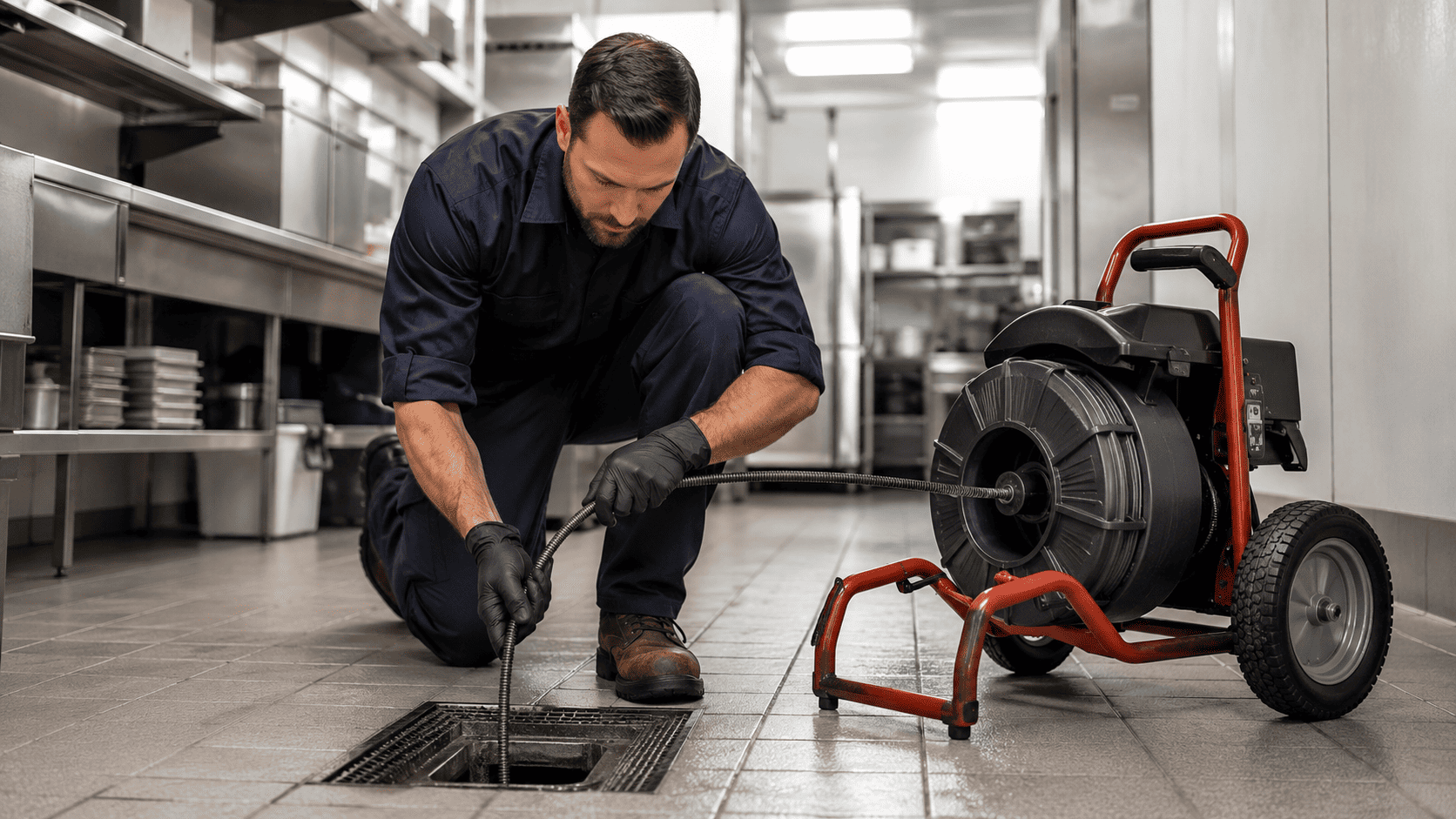
Professional commercial drain cleaning helps identify what is actually causing the blockage and how far it has spread. Experienced plumbers can use the right tools for the situation, whether the line needs snaking, camera inspection, targeted clearing, or commercial hydro jetting for heavier buildup.
This is especially important for businesses that depend on clean, functional drains every day, such as restaurants, clinics, gyms, salons, offices, retail spaces, and hospitality properties. A blocked drain can affect restrooms, kitchens, utility areas, customer spaces, and sanitation routines. Professional service can help clear the line more effectively, reduce repeat issues, and limit downtime when the problem requires plumbing repair in Kerrville TX.
4. Consider Eco-Friendly Drain Cleaning Options
Many commercial properties are also looking for drain cleaning methods that support better maintenance without relying on harsh chemicals every time a drain slows down. Biodegradable and non-toxic products can help with routine drain care in some situations, especially when used as part of a broader maintenance plan.
Eco-friendly drain clearing may include:
- biodegradable drain maintenance products
- enzyme-based cleaners for organic buildup
- proper grease disposal practices
- drain screens or traps to reduce debris entering the system
- mechanical cleaning methods when buildup is more serious
- commercial hydro jetting when heavy residue needs to be cleared with high-pressure water
The key is choosing the method based on the type of buildup. A restroom sink, a commercial kitchen drain, and a floor drain do not collect the same material, so the cleaning approach should not be treated like a one-size-fits-all solution. For drain cleaning for businesses, the best option is usually the one that protects drainage performance while reducing unnecessary damage, waste, and repeat service calls.
5. Use Preventive Measures to Reduce Future Clogs
Preventing clogged commercial drains starts with daily habits and scheduled maintenance. Commercial drains work hard, but they should not be expected to handle everything staff, customers, grease, paper products, cleaning residue, and debris decide to send their way.
A prevention plan can include:
- training staff on what should and should not go down drains
- using drain screens, strainers, or traps in high-use areas
- keeping grease, food scraps, wipes, paper towels, and debris out of drains
- scheduling routine commercial drain cleaning
- inspecting drains that clog repeatedly
- monitoring floor drains, kitchen drains, restroom fixtures, and utility sinks
- documenting recurring issues so plumbers can identify patterns
These measures help reduce the frequency of emergency drain clearing and make the system easier to maintain over time. When staff know what causes clogs and the business has regular maintenance in place, drains are less likely to turn into surprise interruptions during the busiest part of the day.
When Is Commercial Hydro Jetting Better Than Standard Drain Cleaning?
Standard drain cleaning or snaking can help when the clog is small, localized, or close to the drain opening. But when the same drain keeps slowing down, several areas are affected, or buildup is stuck along the pipe walls, commercial hydro jetting may be the better option.
Hydro jetting is often useful when there are:
- recurring clogs in the same drain
- grease buildup in kitchen lines
- sewer odors coming from drains
- slow drainage across multiple fixtures
- sludge, sediment, or scale inside the pipe
- backups that return after standard cleaning
- high-traffic areas that need a deeper cleaning method
The difference is in how the line is cleaned. Snaking can break through part of the blockage, while hydro jetting uses high-pressure water to clean the inside of the pipe more thoroughly. That can help restore better flow and reduce the chance of the same clog coming back right after the business finally thought the issue was handled.
For drain cleaning for businesses, this matters because repeat clogs are not only annoying. They can interrupt service, affect sanitation, create odors, and increase repair costs when the underlying buildup is never fully cleared.
How Does Commercial Hydro Jetting Protect Plumbing in High-Traffic Areas?
High-traffic commercial buildings put their plumbing systems through a lot every day. Restaurants, hotels, hospitals, shopping centers, and busy office buildings all depend on drains that can handle constant use without slowing down at the worst possible time. Between grease, soap scum, food debris, sediment, mineral buildup, and materials that should probably never have entered the drain in the first place, commercial drain lines can accumulate buildup faster than many teams expect.
When that buildup keeps collecting inside the pipes, clogged commercial drains can start affecting restrooms, kitchens, utility areas, customer spaces, sanitation routines, and daily operations. That is why many property managers and business owners use commercial hydro jetting as part of a stronger commercial drain cleaning strategy, especially in buildings where regular drain use is heavy and downtime can get expensive fast.
1. Removes Heavy Buildup Inside Commercial Drain Lines
Standard drain snaking can break through the center of a clog, which may restore flow for a while, but it often leaves layers of grease, grime, scale, and residue clinging to the pipe walls. That leftover buildup can collect more debris over time, which is why the same drain may slow down again after a temporary fix.
Commercial hydro jetting uses high-pressure water, often up to 4000 PSI, to scour the inside of the drain line more thoroughly. Instead of only opening a path through the blockage, it helps flush out the material stuck along the pipe walls.
Hydro jetting can help remove:
- grease buildup from commercial kitchens
- food particles and organic debris
- soap scum and residue
- mineral buildup and scale
- sediment inside drain lines
- sludge that contributes to recurring clogs
Why does that matter in a busy commercial kitchen or high-use restroom? Because grease traps, screens, and routine cleaning help, but they do not catch every bit of residue that enters the system. Over time, even small amounts of grease, debris, and buildup can slow drainage, create odors, and increase the risk of backups.
For drain cleaning for businesses, hydro jetting offers a deeper cleaning method when the system needs more than a quick clear. Cleaner pipe interiors can support better flow, reduce recurring blockages, and help the plumbing system perform more reliably in areas that deal with constant use.
2. Prevents Business Disruptions From Sudden Drain Failures
A sudden drain failure in a commercial building rarely stays in the maintenance corner. One overflowing toilet, one backed-up floor drain, or one flooded restroom can affect customers, staff, service speed, sanitation, and revenue in the same afternoon. In a restaurant, that can slow prep or close a restroom during lunch rush. In a hotel, it can turn into guest complaints. In a retail space, it can create a cleanup situation right where people are supposed to feel comfortable shopping.
Visible plumbing problems, like leaking faucets, may call for faucet repair services in Kerrville, TX, but drains can hide trouble deeper inside the line. Grease, paper products, soap residue, food debris, sediment, and mineral buildup can collect quietly until the system finally gives everyone a very inconvenient announcement.
That is where commercial hydro jetting can help. By clearing buildup inside the pipe, it reduces the risk of blockages forming during peak hours, when the business has the least patience for a plumbing surprise.
Routine hydro jetting can help prevent:
- restroom backups during customer traffic
- flooded floor drains in kitchens or utility areas
- slow drainage that keeps returning
- sewer odors that affect the customer experience
- emergency service calls during operating hours
- downtime caused by clogged commercial drains
For drain cleaning for businesses, proactive service can make the difference between a planned maintenance visit and an emergency that interrupts the workday. Waiting until a drain fails gives the clog control of the schedule, and clogs have famously terrible timing. Regular commercial drain cleaning helps keep water moving, protects the building from avoidable messes, and gives your team one less emergency to handle while trying to run the business.
3. Extends the Lifespan of Aging or Overworked Pipes
Older commercial buildings and high-traffic properties often ask a lot from their drain lines. Gyms deal with constant restroom and shower use. Schools have heavy daily foot traffic. Event centers may go from quiet to fully packed in a few hours, and suddenly every restroom, floor drain, and utility area is working like it got drafted for overtime.
When performed by trained professionals, commercial hydro jetting can be a safe and effective way to clean aging or overworked pipes. Unlike mechanical cutters, which can scrape or damage pipe interiors if used incorrectly, hydro jetting uses high-pressure water to clear buildup without grinding against the pipe walls.
This matters because buildup does more than slow drainage. Grease, sediment, soap residue, mineral scale, and organic debris can sit inside the line and create conditions that speed up wear, corrosion, odors, and recurring blockages. As the system keeps operating under heavy use, that strain can make the drainage system less reliable and increase the chances of expensive repairs or early pipe replacement.
Professional hydro jetting helps by:
- clearing corrosive buildup from inside drain lines
- reducing pressure caused by partial blockages
- improving flow through older or high-use pipes
- lowering the risk of recurring clogs
- helping the drainage network work with less strain
- supporting longer pipe performance when the system is in suitable condition
For businesses, this makes commercial drain cleaning more than a quick response to a clog. It becomes part of protecting the drainage system from long-term stress, especially in buildings where the pipes are already working hard every day. Clean pipes can move waste more efficiently, reduce avoidable wear, and give the entire drainage network a better chance to keep up without turning every busy week into a plumbing negotiation.
4. Improves Drain Flow Speed in Key Restroom and Kitchen Areas
Slow drains can create friction in the exact areas where a business needs everything moving smoothly. A sink backing up during lunch rush, a restroom drain moving too slowly during an event, or a floor drain holding water near a prep area can affect employees, customers, hygiene, and workflow faster than anyone wants.
Commercial hydro jetting helps restore better drain flow by clearing buildup that has been collecting inside the line, sometimes for years. Grease, soap residue, food debris, sediment, and scale can narrow the pipe interior little by little, so water starts moving through a smaller passage than the system was designed to handle. The drain may still “work,” but with the enthusiasm of someone doing the bare minimum on a Friday afternoon.
Hydro jetting can be especially useful in:
- commercial kitchen sinks
- restroom drains
- floor drains
- utility sinks
- high-use employee areas
- event venue restrooms
- hospitality and food service spaces
By using high-pressure water to clean the pipe walls more thoroughly, hydro jetting can help improve flow speed, reduce standing water, limit odors, and lower the chance of another backup forming soon after service. For commercial drain cleaning, this matters because faster drainage supports more than convenience: it helps maintain better sanitation, smoother operations, and a cleaner experience in the areas customers and staff use most.
5. Cuts Down on Emergency Plumbing Calls and Repair Costs
Frequent backups can get expensive fast, especially when they happen after hours, during a packed shift, or right when the building is full and someone says, “The drain is backing up again.” That is the kind of sentence no manager wants to hear when customers are walking in, staff is already busy, and the day had enough problems without adding standing water to the agenda.
When commercial hydro jetting becomes part of routine commercial drain cleaning, those surprise emergencies are less likely to take over the schedule. Instead of waiting for a drain to clog, overflow, or slow everything down, hydro jetting helps clear the buildup that often causes the same problem to return.
This can help reduce:
- after-hours emergency plumbing calls
- repeated snaking for the same drain
- major blockages caused by grease, sediment, or debris
- downtime in kitchens, restrooms, or utility areas
- damage from backups or standing water
- higher repair costs caused by delayed maintenance
- stress on pipes that are already handling heavy daily use
Compared to repeated snaking, hydro jetting can be more cost-effective because it cleans the pipe walls more thoroughly instead of only opening a temporary path through the clog. That matters in high-traffic buildings, where clogged commercial drains can affect customers, employees, hygiene, and daily operations in one very inconvenient chain reaction.
For drain cleaning for businesses, regular hydro jetting helps shift the plumbing plan from reactive repairs to scheduled maintenance. Cleaner pipes can support faster drainage, fewer backups, longer pipe performance, and fewer “we need a plumber right now” moments during the busiest part of the day.
High-traffic commercial buildings need drainage systems that can keep up with real use. Regular commercial drain cleaning helps clear the grease, debris, scale, and residue that lead to slowdowns and backups, while commercial hydro jetting gives busy plumbing systems a deeper level of cleaning when standard methods are not enough. The result is better flow, fewer disruptions, and a drainage system that can handle heavy daily use with fewer emergency interruptions.
How Commercial Drain Cleaning Helps Protect Customer Experience
Customers may not think about your drains when everything works properly. They notice quickly when something smells bad, a restroom is closed, a sink backs up, or water sits where it should not. In customer-facing businesses, drainage problems can become part of the experience before anyone has time to explain what happened.
Regular commercial drain cleaning helps protect that experience by keeping restrooms, kitchens, floor drains, and utility areas working more reliably. It can help reduce:
- restroom closures
- unpleasant drain odors
- slow sinks in customer or employee areas
- standing water near floor drains
- kitchen delays caused by backups
- sanitation concerns
- complaints from customers, guests, or staff
This is especially important for restaurants, hotels, clinics, gyms, retail spaces, offices, and event venues, where cleanliness and comfort affect how people perceive the business. A clogged drain may start as a plumbing issue, but once customers smell it, see it, or have to ask why the restroom is out of service, it becomes a reputation issue too.
Regular commercial drain cleaning keeps the building feeling cleaner, safer, and more prepared for daily traffic, which is exactly what customers expect without needing to know what is happening inside the pipes.
Stop Drain Backups Before They Interrupt Your Business With Commercial Drain Cleaning in Kerrville TX
A slow drain may start quietly: one restroom sink taking longer than usual, one floor drain holding water near the kitchen, one employee saying, “I think this drain is backing up again.” Then customers arrive, the team gets busy, and that small drainage issue suddenly has terrible timing.
Finding an affordable service from a reliable sewer and drain cleaner in Kerrville TX is easier when you work with the experts at Global Cooling & Plumbing. With more than 14 years of experience, our team provides trusted commercial drain cleaning, commercial hydro jetting, leak detection, and plumbing support designed to help protect your commercial property’s drains from clogs, backups, odors, and costly disruptions.
Call Global Cooling & Plumbing at 830-992-7887 for fast, reliable service, or schedule your commercial drain cleaning service directly through our website.
Click here to schedule your service.
FAQ About Commercial Drain Cleaning
How do I know if my business needs commercial drain cleaning?
Your business may need commercial drain cleaning if drains are slow, odors keep coming back, floor drains hold water, restrooms clog often, or kitchen drains back up during busy hours. One slow drain may look minor, but when the same issue repeats, it usually means buildup is collecting inside the line.
Is commercial hydro jetting safe for older pipes?
Commercial hydro jetting can be safe for older pipes when trained professionals inspect the system first and confirm the pipes are in suitable condition. The water pressure should be adjusted based on the pipe material, age, and current condition, because older drain lines may need a more careful approach than newer systems. A professional inspection helps determine whether hydro jetting is the right method or if another type of commercial drain cleaning would be safer.
How often should businesses schedule drain cleaning?
The right schedule depends on the type of business and drain usage. Restaurants, hotels, gyms, schools, and event venues may need more frequent drain cleaning for businesses because their drains handle heavier daily use. Offices or smaller commercial spaces may need less frequent service, unless clogs, odors, or backups keep returning.
What is the difference between snaking and hydro jetting?
Snaking usually breaks through part of a clog to restore flow, while commercial hydro jetting uses high-pressure water to clean buildup from the inside walls of the pipe. Snaking can help with smaller or localized clogs, but hydro jetting may be better for grease, sludge, scale, recurring blockages, and heavy buildup.
What causes clogged commercial drains to keep coming back?
Clogged commercial drains often return when the root cause is still inside the line. Grease, soap residue, paper products, sediment, food debris, mineral buildup, or poor waste habits can keep collecting after a temporary clearing. A professional inspection can help identify whether the issue needs deeper cleaning, better maintenance, or changes in how the drain is used.