

Content:
- 1 Key Takeaways
- 2 Emergency Plumber Signs at a Glance
- 3 Emergency Plumber Signs You Should Never Ignore
- 4 When to Call an Emergency Plumber Instead of Waiting Until Morning
- 5 What to Do Before a 24 Hour Plumber Arrives
- 6 FAQs About Emergency Plumber Signs
- 6.1 How do I know if a plumbing problem is an emergency?
- 6.2 When should I call an emergency plumber instead of waiting?
- 6.3 What should I do first during a plumbing emergency?
- 6.4 Should I search for a 24 hour plumber near me if the leak seems small?
- 6.5 Are sewage smells an emergency plumber sign?
- 6.6 Can a water heater issue count as a plumbing emergency?
- 6.7 What plumbing problems should I avoid fixing myself?
- 6.8 What can a plumber check during an emergency visit?
- 6.9 What should I do if I have a serious plumbing emergency at night?
- 7 Call Global Cooling & Plumbing+ Before “We’ll Check It in the Morning” Turns Into a Flooded House
Serious plumbing problems usually show up at the worst possible moment: when you are rushing to get ready for work, when the whole family is trying to use the bathroom before the day starts, when you step into the shower at night and the plumbing suddenly fails, or when water starts flooding the laundry room so fast it feels like your house just got cast in one of those movies where everything goes wrong for the main character. The hard part is knowing when the situation has crossed from “we can schedule this” to “we need help now.” That is why recognizing emergency plumber signs matters before the problem fully takes over the house. Some plumbing issues can wait. Others keep spreading, soaking, backing up, or creating safety risks while you stand there thinking, “Okay… how bad is this?”
This guide outlines the top five signs that indicate you should seek immediate professional help to protect your home from severe plumbing disasters, along with what each warning sign can cause and what you should do before a 24 hour plumber arrives.
Key Takeaways
- Emergency plumber signs usually appear when a plumbing issue can keep spreading or creating damage. Active water, backups, unsafe areas, and sudden system failures should be treated differently from minor problems that can wait for a scheduled visit.
- Knowing when to call an emergency plumber helps protect the home before the damage grows. If water is reaching floors, walls, ceilings, cabinets, electrical areas, or multiple fixtures, waiting until morning can turn one repair into several.
- Burst pipes need immediate action. Shut off the main water supply, move valuables away, and call emergency plumbing help before water spreads into finished areas of the home.
- Sewage backups are hazardous because they can expose the home to harmful bacteria and health risks. Stop using water, keep people and pets away, and call a professional instead of treating it like a regular clog.
- Water heater failure can become urgent when there are leaks, unstable temperatures, strange noises, or no hot water. These signs can point to damage, safety concerns, or a system that needs fast diagnosis.
- Uncontrollable leaks can cause severe water damage and mold growth. If you cannot stop the water or locate the source, shut off what you safely can and get help before the leak spreads.
- Toilet overflows can signal a deeper blockage. If plunging does not work, water keeps rising, or the toilet overflows again, the issue may involve more than the toilet itself.
- Before a 24 hour plumber arrives, focus on safe damage control. Shut off water when possible, avoid wet electrical areas, stop using affected fixtures, keep kids and pets away, and clear access so the plumber can work faster.
Emergency Plumber Signs at a Glance
| What You Notice at Home | What It May Mean | What to Do First | Why It Needs Fast Help |
| Water is spreading near floors, walls, or cabinets | The leak may be active, hidden, or coming from a supply line, pipe connection, or damaged fixture. | Shut off the nearest valve or main water supply if you can do it safely. Move rugs, electronics, documents, and furniture away from the area. | Water can move under flooring, into drywall, behind cabinets, and into nearby rooms before the visible wet spot looks “serious enough.” Sneaky little disaster, basically. |
| Moisture appears near electrical outlets or appliances | The plumbing issue may be creating a safety risk, especially if water is close to cords, outlets, panels, washers, dryers, or major appliances. | Keep your distance, avoid touching wet electrical areas, and call emergency plumbing help. | Water near electricity raises the urgency fast. This is one of those emergency plumber signs where waiting can create more than property damage. |
| Water is coming from the ceiling or upper walls | A pipe, fixture, toilet, tub, shower, or water line above the area may be leaking. | Avoid standing under sagging drywall, place a bucket only if safe, and shut off water if you know the source. | Ceiling leaks can spread through insulation, framing, drywall, paint, and flooring below. By the time it drips, the water may already have traveled farther than expected. |
| A drain or toilet keeps backing up after basic attempts | The blockage may be deeper in the drain line or connected to a larger plumbing system issue. | Stop flushing or running nearby fixtures. Avoid chemical drain cleaners. | Repeated backups can point to urgent plumbing problems, especially if more than one fixture starts acting strangely. |
| The utility room has water around equipment or valves | The issue may involve the water heater, supply lines, shut-off valves, or nearby plumbing connections. | Do not touch gas or electrical components. Check for visible water and call a plumber if the leak is active or spreading. | Utility room leaks can affect more than one system at once, including hot water, pressure, storage areas, and nearby electrical or gas components. |
| You smell sewage or notice wastewater where it should never appear | There may be a sewer line blockage, drain backup, or waste flow problem. | Stop using water in the home, keep people and pets away, and call for emergency service. | Sewage can carry harmful bacteria, contamination, and health risks. This is exactly when to call an emergency plumber. |
| Your water heater suddenly fails with leaking or unstable temperature | The system may have a tank, valve, pressure, gas, electrical, or heating component problem. | Avoid touching the unit’s electrical or gas parts. Watch for leaks, strange noises, and pooling water. | A failing water heater can move from inconvenience to damage quickly, especially when water collects around the unit or hot water becomes unreliable. |
| The problem happens at night and keeps getting worse | The issue may not stay contained until morning, especially if water is still moving or the area is unsafe. | Search for a 24 hour plumber near me, shut off what you safely can, and protect the area while help arrives. | Overnight damage can reach flooring, walls, cabinets, and nearby rooms before a regular appointment is available. |
Emergency Plumber Signs You Should Never Ignore
1. Burst Pipes
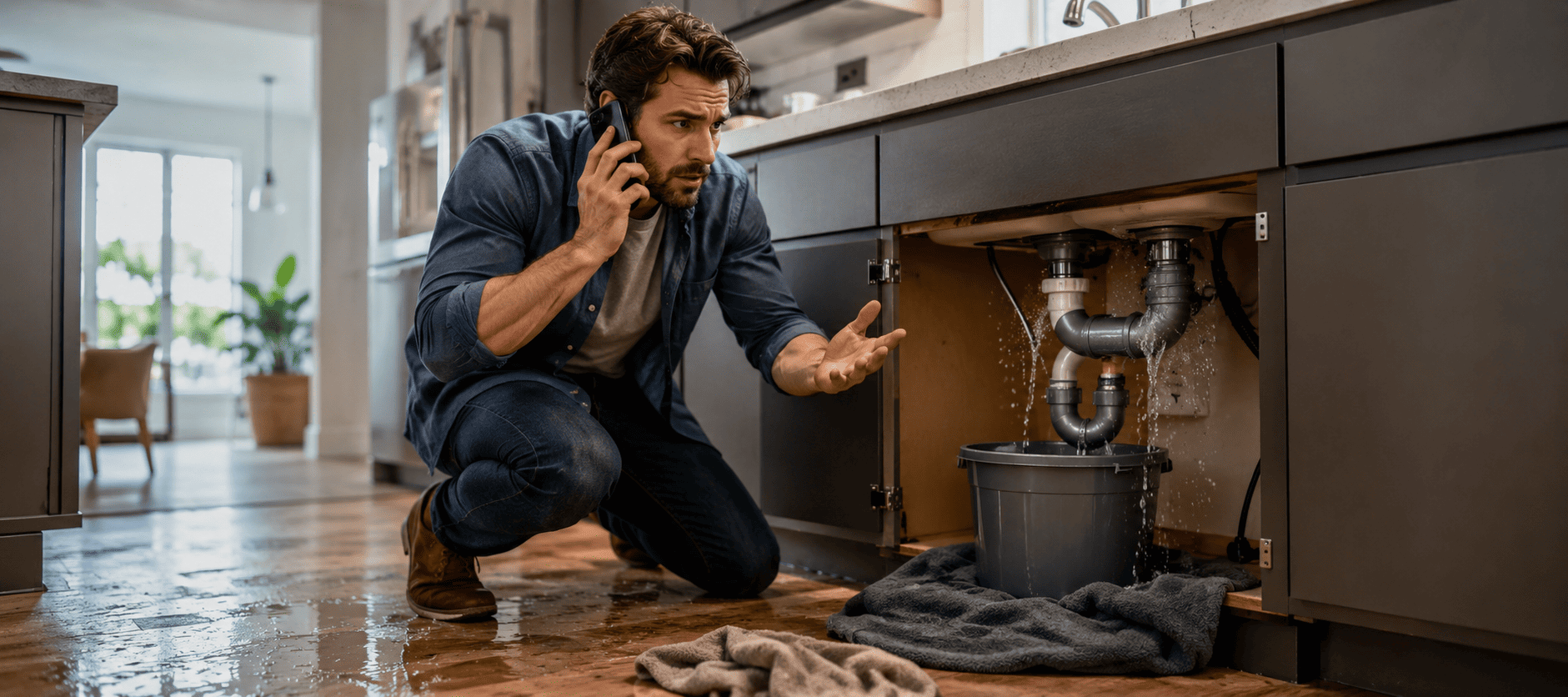
A burst pipe is one of the clearest emergency plumber signs because water can spread fast, especially if the break happens near walls, flooring, cabinets, ceilings, or foundation-adjacent areas. One minute you hear water where you should not hear water; the next, you are grabbing towels and buckets like crazy, as if a household towel army could somehow beat a broken pipe.
If you notice water gushing from a pipe, shut off the main water supply immediately. This helps slow the damage while you wait for professional help. Then call a 24/7 plumber near Boerne, TX or search for a 24 hour plumber near me so the broken section can be inspected, isolated, repaired, and checked for any surrounding water damage risk.
A burst pipe usually qualifies as one of those urgent plumbing problems where waiting until regular business hours can cost more than the repair itself. If water is actively escaping, soaking materials, or spreading into nearby rooms, that is exactly when to call an emergency plumber.
What to do right away:
- Shut off the main water supply: this helps reduce the amount of water entering the damaged pipe.
- Move valuables away from the area: protect electronics, documents, furniture, rugs, and anything sitting near the water.
- Avoid using nearby fixtures: pressure or drainage changes can make the situation harder to control.
- Take photos if it is safe: documentation can help later with repair records or insurance claims.
- Call emergency plumbing help: a burst pipe needs fast inspection, repair, and damage control before the water spreads further.
Once the water is shut off, the next priority is limiting damage and getting the pipe repaired correctly. A plumber can check whether the burst came from pressure, freezing conditions, corrosion, damaged fittings, or another weak point in the system, so the repair does more than stop the immediate leak.
2. Sewage Backup
A sewage backup is one of those emergency plumber signs that should never be treated like a regular clog. If wastewater starts backing up into sinks, toilets, tubs, or floor drains, the issue is already past “let’s try the plunger one more time.” That water is coming from the wrong direction, and nothing about that belongs in a normal Tuesday.
This is a serious problem because sewage can carry harmful bacteria, unpleasant odors, and contamination that can create health risks for everyone in the home. It can also damage flooring, walls, cabinets, and parts of the plumbing system if the backup continues or spreads into nearby areas.
A sewage backup is a hazardous situation that requires urgent attention. This is exactly when to call an emergency plumber, especially if multiple drains are backing up, toilets are overflowing, wastewater smells are spreading, or water is coming up from drains when another fixture is used.
What to do right away:
- Stop using water in the home: avoid flushing toilets, running sinks, using showers, or starting laundry until the issue is checked.
- Keep people and pets away from the area: sewage exposure can carry harmful bacteria and sanitation risks.
- Avoid touching contaminated water: cleanup should be handled carefully with the right protection.
- Do not rely on chemical drain cleaners: they may not reach the real blockage and can make repairs harder.
A professional plumber can inspect the drain or sewer line, identify whether the backup comes from a blockage, damaged line, tree roots, poor drainage, or another urgent plumbing problem. The priority is restoring safe waste flow quickly, limiting contamination, and preventing the backup from spreading into areas where it can create more damage or expose the home to avoidable health risks.
3. Water Heater Failure
Can you imagine stepping into the shower during colder months, already ready for hot water, and suddenly realizing the water heater has chosen that exact moment to fail? Cold water hits first, then the rest of the routine starts falling behind, because hot water is tied to more than that one shower. It is part of dishes, laundry, cleaning, and the first morning routine where cold water is the absolute last thing anyone wants.
Some warning signs show up before the system fully gives out. Strange noises, leaks around the unit, rusty water, inconsistent water temperatures, low hot water pressure, or hot water that runs out faster than usual can all point to a failing water heater. If those signs appear suddenly or keep getting worse, it is time to contact a 24/7 plumber.
A water heater issue becomes one of those urgent plumbing problems when there is active leaking, no hot water at all, electrical concerns, gas odors, water pooling near the unit, or temperature changes that make the system unreliable. Waiting too long can lead to more extensive damage, higher repair costs, or a full replacement before you were planning to have that conversation with your budget.
Before the situation gets worse, these steps can help you limit damage and stay safer while waiting for emergency plumbing help:
- Check for visible leaks: water around the unit can spread into flooring, walls, or nearby storage areas.
- Listen for unusual noises: popping, rumbling, or banging can point to sediment buildup or internal stress.
- Watch temperature changes: water shifting from hot to cold may signal heating element, thermostat, burner, or flow issues.
- Avoid touching electrical or gas components: those should be handled by a trained professional.
- Call emergency plumbing help: sudden water heater failure needs fast diagnosis before damage spreads or the system becomes unsafe.
Once the immediate risk is under control, the next step is finding out why the system failed. Getting hot water back matters, of course, but the real repair should also address the source of the issue so the same problem does not return a few days later. The tank, connections, valves, pressure relief components, heating elements, gas supply, venting, and nearby plumbing may all need to be checked. If your home suddenly has no hot water, visible leaks, or unstable temperature, those are clear emergency plumber signs that the system needs attention before the repair becomes bigger and more expensive.
4. Uncontrollable Leaks
Homeowner, it is completely normal to think a small drip is something you can handle on your own. A towel under the sink, a quick look at the pipe, maybe tightening something gently and hoping the leak gets the message. But once the water keeps spreading, comes from a hidden area, reaches flooring or walls, or keeps flowing even after you try to stop it, the situation moves into urgent plumbing problems territory fast.
Do you know what an uncontrollable leak can cause if it keeps running? Severe water damage, mold growth, damaged cabinets, soaked flooring, stained ceilings, or weakened materials around the leak. If you cannot stop the water, or if you are not sure where it is coming from, shut off the nearest valve or the main water supply if needed, then call for immediate assistance.
These are clear signs to get help quickly:
- Water keeps flowing after you shut off a fixture: the leak may be coming from a supply line, valve, or hidden connection.
- The leak is spreading into walls, floors, or ceilings: water can travel farther than the visible wet spot suggests.
- You see bubbling paint, soft flooring, or sagging drywall: moisture may already be affecting nearby materials.
- The leak is near electrical outlets or appliances: safety becomes a bigger concern.
- You cannot locate the source: guessing can waste time while water keeps moving.
This is exactly when to call an emergency plumber, especially if the leak is active, growing, or affecting finished areas of the home. An emergency plumbing expert can isolate the problem, repair the damaged section, check surrounding areas, and help prevent the leak from escalating into a larger water damage issue.
5. Toilet Overflows
A toilet overflow can turn a normal bathroom moment into a full household interruption. Water rises, the bowl refuses to drain, and now everyone has to pause the routine to figure out what on earth is happening with the bathroom.
A single clog may clear with careful plunging, but an overflowing toilet can also point to a deeper blockage in the drain line or plumbing system. If plunging does not resolve the issue, water continues to rise, or the toilet overflows again after flushing, it is time to call a professional.
Take these steps right away:
- Stop flushing: repeated flushing can send more water onto the floor.
- Turn off the toilet’s water supply valve: this helps stop more water from filling the tank and bowl.
- Keep children and pets away from the area: overflow water may carry bacteria or sanitation risks.
- Avoid chemical drain cleaners: they can damage plumbing or create hazards for the plumber.
- Call emergency plumbing help: repeated overflow or standing water needs proper diagnosis.
A toilet overflow becomes one of the clearest emergency plumber signs when water keeps rising, multiple drains are acting strange, sewage smells are present, or the clog will not clear. Fast action can help prevent further damage, restore the toilet’s functionality, and confirm whether the problem is limited to the toilet or connected to a larger blockage in the plumbing system.
When to Call an Emergency Plumber Instead of Waiting Until Morning
Some plumbing problems can wait for a scheduled appointment. A slow drip, a minor faucet issue, or a drain that is moving slower than usual may need attention, but they do not always mean the house is in immediate trouble. The situation changes when water, waste, heat, pressure, or safety starts moving in the wrong direction and the problem can keep getting worse while everyone is asleep.
This is when to call an emergency plumber: when waiting until morning gives the damage more time to spread. Water can move under flooring, into cabinets, behind walls, near electrical areas, or into rooms that were perfectly fine an hour ago. Once the problem starts reaching materials that absorb moisture or areas that affect safety, delaying the call can make the repair bigger, messier, and more expensive.
You should call right away depending on where the problem appears:
- Near electrical outlets or appliances: water and electricity should never become roommates. If moisture is close to outlets, panels, cords, washers, dryers, or major appliances, treat it as urgent.
- On ceilings or upper walls: stains, dripping, bubbling paint, or sagging drywall may mean water is traveling from an upstairs bathroom, pipe, or fixture.
- Under sinks or inside cabinets: trapped moisture can damage wood, create odors, and hide leaks longer than expected.
- Around flooring or baseboards: soft spots, lifting flooring, or water spreading along the edges of a room can signal that moisture is moving beyond the visible area.
- Near the foundation or slab: unexplained wet areas, warm spots on floors, or water showing up where no fixture is nearby may need urgent inspection.
- In the yard or exterior line area: pooling water, unusually soft ground, or water surfacing near buried plumbing can point to a service line or drain issue.
- In the utility room: water near mechanical equipment, valves, water lines, or shut-off points can affect more than one part of the home.
The safest way to decide is to look at what the problem can damage if it keeps going. If it can spread water, affect electrical safety, damage building materials, contaminate the area, or leave the house without essential plumbing function, it belongs in the urgent plumbing problems category. That is the moment to shut off what you safely can and call a 24 hour plumber near me before the issue turns into a larger repair.
What to Do Before a 24 Hour Plumber Arrives
Once you call for help, the next few minutes matter. You do not need to become a plumber, open walls, or start taking things apart with tools you found in a drawer. Your job is simpler: reduce damage, keep the area safer, and make it easier for the plumber to find the source when they arrive.
Start with the source of water if you can reach it safely. For an active leak, shut off the nearest valve or the main water supply. For water near electrical areas, keep your distance and avoid touching anything wet around outlets, cords, appliances, or panels. For drainage or backup concerns, stop using water in the home until the issue is inspected.
While waiting for emergency plumbing help:
- Shut off water when possible: use the fixture valve or main shut-off valve to slow active water flow.
- Stay away from electrical hazards: avoid wet areas near outlets, appliances, panels, or extension cords.
- Stop using affected fixtures: especially if drains are backing up, water is rising, or the issue seems connected to wastewater.
- Move valuables out of the area: protect rugs, electronics, documents, furniture, and stored items.
- Keep kids and pets away: standing water, leaks, and contaminated areas can create safety or sanitation risks.
- Avoid chemical drain cleaners: they can damage pipes, worsen the situation, or create hazards for the plumber.
- Take photos if it is safe: documentation can help with repair records or insurance claims.
- Clear access to the problem area: move boxes, cleaning supplies, laundry baskets, or storage items so the plumber can work faster.
These steps help limit damage while the professional handles the real repair. A 24 hour plumber near me can inspect the source, isolate the problem, repair damaged parts, check nearby areas, and confirm whether the issue is limited to one fixture or tied to a larger system problem. During an emergency, the best homeowner move is safe damage control: shutting off what you can, staying away from risky areas, protecting the space, and letting trained help take over before the problem spreads further.
FAQs About Emergency Plumber Signs
How do I know if a plumbing problem is an emergency?
A plumbing problem is usually an emergency when it can keep spreading, damage the home, affect safety, or expose your family to contamination. Water near electrical areas, sewage smells, active leaking, sudden loss of hot water, or multiple fixtures acting strange are strong signs that the issue should be handled right away.
When should I call an emergency plumber instead of waiting?
You should call an emergency plumber when the problem is active, getting worse, or affecting areas that absorb water quickly, like floors, drywall, cabinets, ceilings, or baseboards. Waiting makes sense for small, contained issues; it becomes risky when water or waste keeps moving while you are hoping it calms down on its own. Plumbing is not known for emotional regulation.
What should I do first during a plumbing emergency?
Start by reducing damage safely. Shut off the nearest valve or main water supply if water is actively leaking, stop using affected fixtures, keep kids and pets away from the area, avoid wet electrical zones, and take photos if it is safe. Then call emergency plumbing help so the source can be inspected and repaired.
Should I search for a 24 hour plumber near me if the leak seems small?
Yes, if the leak is spreading, coming from a hidden area, reaching walls or flooring, or continuing after you shut off a fixture. A small visible leak can still come from a larger issue behind the wall, under the floor, or inside the plumbing system.
Are sewage smells an emergency plumber sign?
Sewage smells can be one of the warning signs of urgent plumbing problems, especially if they come with slow drains, gurgling sounds, wastewater backing up, or multiple fixtures acting up at once. That can point to a drain or sewer line issue that needs professional attention.
Can a water heater issue count as a plumbing emergency?
Yes. A water heater issue can become urgent when there is active leaking, no hot water during cold weather, unstable temperatures, gas odors, electrical concerns, or water pooling near the unit. Those signs can point to safety risks or damage that should not wait for a regular appointment.
What plumbing problems should I avoid fixing myself?
Avoid DIY repairs when the issue involves active water spread, sewage, gas lines, electrical risk, a burst pipe, hidden leaks, or repeated backups. Those situations need proper tools, diagnosis, and safe handling, especially when the problem can affect more than one part of the home.
What can a plumber check during an emergency visit?
An emergency plumber can inspect valves, supply lines, drains, sewer lines, water heater components, pressure issues, damaged pipe sections, fixture connections, and nearby areas affected by moisture. The priority is finding the source, stopping the immediate damage, and confirming whether the issue is isolated or part of a larger plumbing problem.
What should I do if I have a serious plumbing emergency at night?
Search for a 24 hour plumber near me and call for help instead of waiting until morning. Many emergency plumbing services operate 24/7, which is important when water is spreading, sewage is backing up, a pipe has burst, or a fixture keeps overflowing. While you wait, shut off the water if you can do it safely, avoid wet electrical areas, stop using affected fixtures, and keep kids or pets away from the problem area.
Call Global Cooling & Plumbing+ Before “We’ll Check It in the Morning” Turns Into a Flooded House
A plumbing emergency can turn ugly fast. Water spreading across the hallway, sewage backing up into the bathroom, a pipe spraying behind a wall, or a toilet overflowing while the whole house is half-awake and confused is not the kind of situation you want to “see tomorrow.” That is the moment to search for a 24 hour plumber near me and get help before the damage keeps moving through your home.
At Global Cooling & Plumbing+, our licensed and skilled team brings more than 14 years of experience helping homeowners handle urgent plumbing problems with fast diagnosis, safe repair, and clear next steps. We can inspect the source, shut down the issue, repair damaged parts, check nearby areas, and help prevent the problem from spreading further through your home.
Our customers also value our transparent pricing approach, so you know what we find, what needs attention, and what you can expect to pay before the work moves forward.
For emergency plumbing help in TX, call Global Cooling & Plumbing+ at (830) 992-7887 today.
Or, schedule your appointment through our website and choose a time that works for your home.