
 SCHEDULE A SERVICE

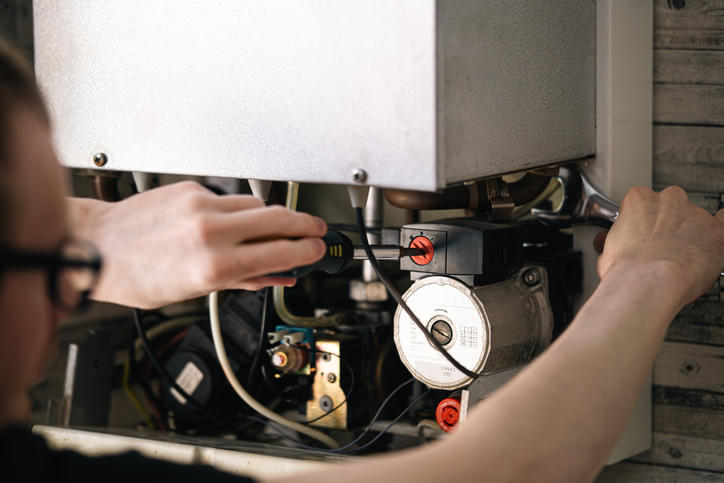
When a heating system gets old, it often tells you in small ways long before it fully gives up. The warmth it puts out doesn’t feel as steady, the house takes longer to reach a comfortable temperature, and the fuel bill starts creeping up without much explanation. None of these changes feels dramatic at first, but together they show how hard the equipment is working just to keep up.
That’s when homeowners start considering heating replacement in Fredericksburg, TX, especially if the system still relies on outdated fuel methods that burn hotter, louder, and far less cleanly than today’s models. Replacing the unit doesn’t just make the home feel better; it actually lowers the amount of carbon the system releases every single day.
1. Outdated fuel systems burn more than they should
Older heaters tend to waste energy without homeowners realizing it. The system burns fuel, but a lot of that heat slips away before it ever reaches the rooms where it’s needed. That wasted fuel doesn’t disappear quietly. It turns into excess emissions drifting into the air around the home.
As the system ages, the waste usually gets worse because older burners and exchangers simply can’t maintain their efficiency. Reducing that waste starts with updating the equipment to something that naturally burns cleaner.
2. Repairs can slow the decline, but older units still pollute more
Many homeowners try to extend the life of their older heater through small fixes here and there. That helps for a while, but repairs can’t change how the system was originally designed. Older fuel systems just weren’t built to meet today’s cleaner standards.
During this stage, technicians may recommend whether simple work or heating repair in Boerne, TX, might temporarily improve things. But even then, the equipment usually cannot reach the low emission levels of modern units. At some point, upgrading becomes the only realistic path toward lowering pollution.
3. Modern heating systems burn fuel more completely
The biggest difference between old and new systems lies in how fuel is handled. Newer burners are engineered to turn more of the fuel into usable heat, which means far less ends up wasted. Cleaner combustion leads to fewer gases being released into the air around the home.
That shift alone can dramatically reduce a family’s carbon footprint. It also makes the system run more quietly and more steadily, which is something homeowners almost always notice immediately.
4. Better airflow and insulation support lower emissions
A modern heating system doesn’t work alone. It pairs with improved airflow designs and insulation methods that help the heat spread more evenly. When the warm air reaches every room without fighting its way through blocked or outdated ducts, the system doesn’t run nearly as long.
Less run time means less fuel burned, and that directly lowers emissions. Even small adjustments to airflow can make a surprisingly big difference once the new equipment is in place.
5. Replacing failing components stops recurring energy waste
Older systems often develop multiple weak spots over time. Burners fade, exchangers crack, and sensors stop responding correctly. Each of these problems pushes the system to burn more fuel than necessary, creating constant spikes in emissions. When those issues show up repeatedly, technicians may suggest furnace replacement in Boerne, TX as the safer, cleaner, and more cost-stable option. A full replacement eliminates layers of inefficiencies that repairs can only cover temporarily.
Carbon emissions from outdated heating systems rarely show up in obvious ways. They build gradually as the system burns more fuel to maintain basic comfort. Replacing older equipment with cleaner, modern technology cuts down on that waste immediately. Better combustion, improved airflow, and smarter design all work together to create a home that stays warm without sending extra pollution into the air. The upgrade pays off through lower bills, steadier heat, and a healthier footprint for the household.
Thinking about lowering emissions and updating your old heating system? We are there! Call Global Cooling at (830) 992 7887 for expert guidance and energy-saving replacement options.