
 SCHEDULE A SERVICE

Content:
- 1 Key Takeaways
- 2 Gas Line Safety Inspection Checklist at a Glance
- 3 How Extreme Weather Can Impact the Safety of Your Gas Line
- 4 Gas line safety inspection: Why a Plumber Is Essential for Maintaining Safe Gas Line Connections
- 5 Schedule Professional Gas Line Safety Services Before Small Leaks Become Big Home Risks
- 6 FAQ: Gas Line Safety Inspection
- 6.1 1. How often should homeowners schedule a gas line safety inspection?
- 6.2 2. Can weather damage a gas line even if there are no visible signs?
- 6.3 3. When should an older gas line be inspected more carefully?
- 6.4 4. What should I do if I smell gas near my home?
- 6.5 5. Can gas line maintenance help with resale value?
- 6.6 6. Do outdoor gas features need inspection too?
Gas line safety inspection gives homeowners a clearer look at one of the systems they rely on every day, even though most of it stays hidden behind walls, under the ground, or near equipment no one casually checks on a Tuesday. When gas lines support heating, cooking, hot water, fireplaces, or outdoor features, their condition matters for more than convenience. It matters for safety, comfort, long-term performance, and everyday peace of mind.
Today, our licensed plumbers at Global Cooling & Plumbing+ are walking you through what homeowners should know about gas line safety, from weather-related stress and hidden leaks to maintenance, professional inspections, and the role these systems can play in protecting your home and your family. Think of it as a clear, practical guide to the parts of your gas system that work quietly in the background, until they need a little professional attention.
Key Takeaways
- A gas line safety inspection helps homeowners detect hidden risks before they turn into leaks, pressure issues, damaged connections, or unsafe operating conditions.
- Extreme weather can affect gas lines in different ways: heavy rain can shift soil, freezing temperatures can stress older or shallow piping, and heat waves can cause expansion, joint stress, and underground movement.
- The weather impact on gas lines is not always visible from the surface. A yard may look normal while buried pipes, fittings, joints, valves, or exposed components are under stress.
- Storm damage can affect above-ground gas system parts like meters, risers, valves, regulators, and exterior fittings, even when underground pipes remain intact.
- Seasonal gas line maintenance helps check corrosion, worn seals, pressure irregularities, loose fittings, damaged connections, and signs of hidden leaks before they become larger hazards.
- A professional gas line inspection gives homeowners a clearer picture of what is happening inside and around the system, especially after storms, freezes, heavy rain, heat waves, or noticeable soil movement.
- Plumbers play an important role in maintaining safe gas line connections because they can inspect fittings, valves, regulators, pressure behavior, gas flow, and appliance connections with the right tools and training.
- DIY gas line repairs can create serious risks, including recurring leaks, improper sealing, unsafe pressure conditions, poor gas flow, fire hazards, explosion risks, and carbon monoxide exposure.
- Preventive maintenance is a proactive way to protect the home, reduce emergency repairs, support appliance performance, and extend the service life of the gas line system.
- A properly installed and maintained gas line can support property value by improving energy efficiency, expanding appliance options, strengthening heating solutions, enhancing outdoor living spaces, and supporting emergency preparedness.
- Gas-powered systems can give a home more flexibility by reducing full dependence on electric-powered appliances and providing an alternative energy source for heating, cooking, hot water, and other essential functions.
- Documentation from licensed professionals, regular inspections, and proper maintenance can give buyers, inspectors, and homeowners more confidence in the condition of the gas line system.
Gas Line Safety Inspection Checklist at a Glance
| What is checked | What it may reveal | Why it matters | When to call a plumber |
| Fittings and joints | Loose, aging, damaged, or poorly sealed connections | These points can allow gas to escape if they weaken over time | If there is gas odor, hissing, older connections, or visible wear |
| Shut-off valves | Poor access, stuck valves, corrosion, or damaged control points | Shut-off valves help stop gas flow during service, repair, or emergencies | If the valve is hard to reach, corroded, damaged, or difficult to operate |
| Pressure behavior | Pressure irregularities, system stress, or possible hidden leaks | Gas systems need stable pressure to work safely and support connected equipment | If appliances perform poorly or pressure issues are suspected |
| Gas flow | Poor gas supply, inconsistent appliance performance, or flow restrictions | Proper gas flow supports safe operation for heating, cooking, hot water, fireplaces, and outdoor features | If appliances feel weak, slow, inconsistent, or do not work as expected |
| Regulators | Pressure control issues, worn components, or unstable system behavior | Regulators help manage safe gas pressure throughout the system | If pressure seems unstable or the system has older components |
| Corrosion or material wear | Rust, weakened metal, worn seals, or aging parts | Time, moisture, weather exposure, and regular use can weaken the gas line system | If the line is older, exposed to moisture, or showing visible deterioration |
| Buried line warning signs | Dead grass, soil movement, erosion, or ground shifts | Underground issues can stay hidden until they become safety concerns | After heavy rain, freezing temperatures, heat waves, landscaping work, or visible soil movement |
| Exposed components | Storm damage, debris impact, water intrusion, or weakened fittings | Meters, risers, outdoor valves, and fittings deal directly with weather and physical impact | After storms, high winds, flooding, falling branches, or visible outdoor damage |
| Appliance connections | Loose connections, poor sealing, or unsafe setup | Appliances depend on secure gas connections to operate safely and consistently | If a stove, water heater, furnace, fireplace, or outdoor gas feature starts acting strangely |
| Leak indicators | Gas odor, hissing sounds, pressure loss, poor appliance performance, or unusual indoor symptoms | These signs can point to immediate safety risks that should not wait | If any leak warning appears, leave the area and call for professional help immediately |
What Does a Gas Line Safety Inspection Actually Include?
A gas line safety inspection is a detailed review of the gas system to confirm that the line, connections, valves, regulators, and exposed components are still safe to use. It helps homeowners understand whether the system is working properly, whether weather or wear has affected it, and whether there are hidden issues that need professional attention before they become bigger risks.
During a professional gas line inspection, a licensed plumber may check:
- Fittings and joints, to look for loose, aging, damaged, or poorly sealed connection points
- Valves and shut-off access, to confirm the gas supply can be controlled safely when needed
- Pressure behavior, to detect irregularities that may point to leaks, weak components, or system stress
- Gas flow, to make sure gas-powered appliances are receiving the right supply for safe operation
- Regulators, to review whether pressure control components are working as they should
- Corrosion or material wear, especially in older lines, exposed sections, or areas affected by moisture
- Buried line warning signs, such as dead grass, soil movement, erosion, or signs of stress after heavy rain, freezing temperatures, or heat waves
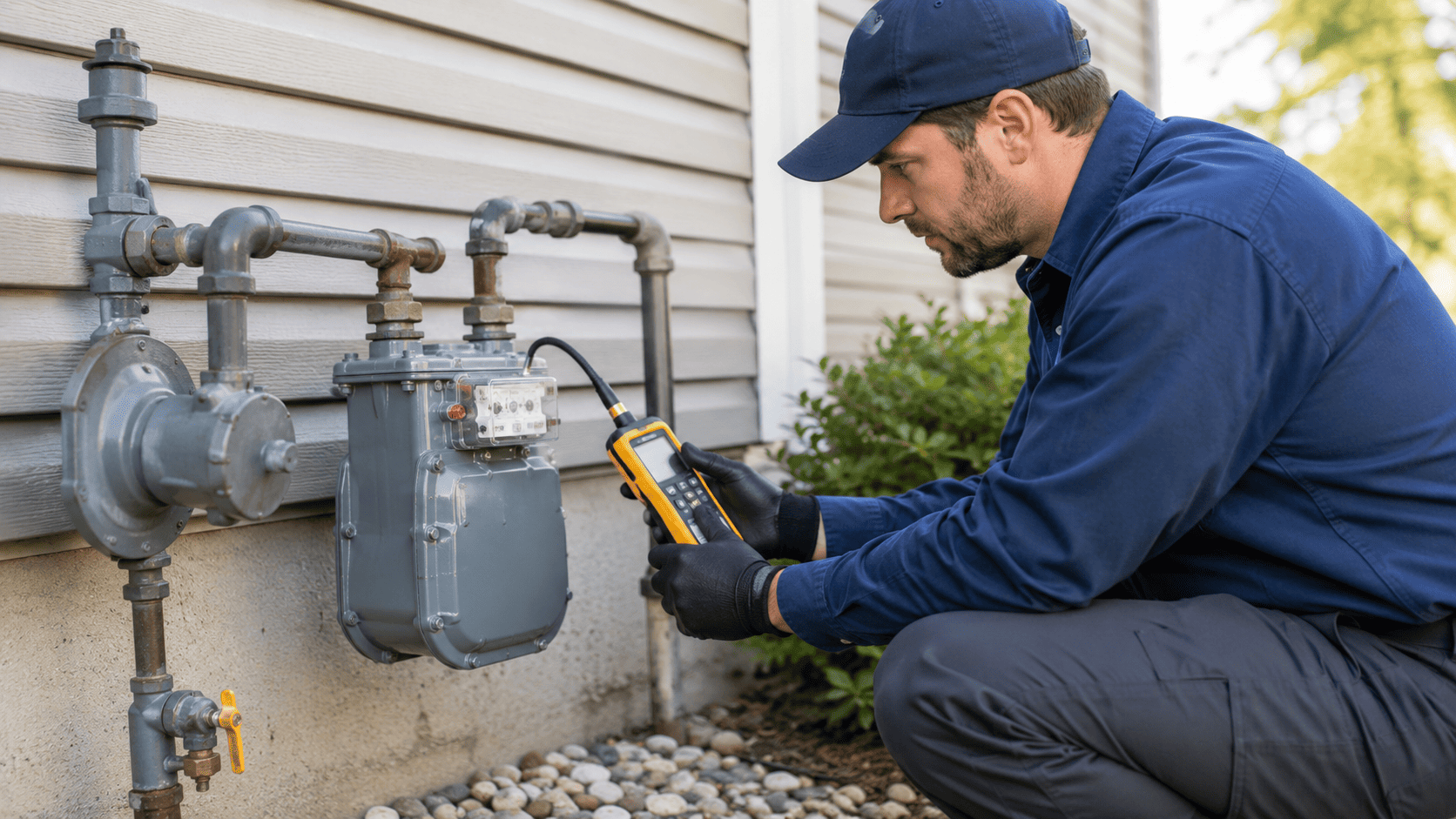
- Exposed components, including meters, risers, outdoor valves, and fittings that may be affected by storms, debris, water intrusion, or temperature changes
- Appliance connections, to check whether stoves, water heaters, heating systems, fireplaces, or outdoor gas features are connected safely
- Leak indicators, including gas odor, hissing sounds, pressure loss, poor appliance performance, or other signs that require immediate attention
A good inspection gives homeowners more than a quick “everything looks fine.” It creates a clearer picture of the gas system’s condition, especially in the parts no one casually checks while walking through the house on a Tuesday. That is where regular gas line maintenance becomes useful: it helps catch small issues before they turn into safety concerns for the home and family.
How Extreme Weather Can Impact the Safety of Your Gas Line
Heat waves, deep freezes, and heavy rains can ruin more than a weekend barbecue, a backyard repair project, or that one outdoor plan you finally scheduled after checking the weather app twelve times. They can also put stress on the gas lines working quietly beneath or around your home.
That is where the weather impact on gas lines becomes something homeowners should take seriously. Gas piping may stay out of sight, but it is still exposed to the effects of temperature changes, soil movement, moisture, erosion, and shifting ground conditions. When the weather turns severe, especially in areas with older or buried gas lines, the risk of leaks, pressure changes, weakened joints, and safety hazards can increase.
A regular gas line safety inspection can help identify these issues before they become bigger problems. For homeowners dealing with an older or buried gas line in Kerrville, TX, seasonal changes are a good reminder that gas line safety is not just about what happens inside the house. The system under the ground needs attention too, especially when heat, cold, and rain start treating the soil like it signed up for a stress test.
In this article, you will see how severe weather can negatively affect the integrity of your gas line, why older or buried lines may need extra attention, and how a professional gas line inspection can help detect hidden risks before they turn into safety problems.
1. Ground Shifts from Rain Can Crack Pipes
Heavy rainfall can cause soil to expand, soften, erode, or shift around underground gas supply lines. When the ground becomes saturated, that movement can place stress on buried piping, especially around connection points, joints, fittings, or areas where the line changes direction.
As the ground keeps shifting, that pressure can contribute to:
- small cracks in the pipe
- weakened joints or fittings
- separation at connection points
- movement around buried gas lines
- pressure changes inside the system
- increased risk of gas escaping through damaged areas
Even a thin crack can allow gas to leak, and that is exactly why gas line maintenance should include attention to what happens after heavy storms. The pipe does not need to look dramatic from the outside to create a serious risk underground. A small shift in the wrong place can be enough.
A professional gas line inspection after severe rain or noticeable soil movement can help check whether the line, fittings, and connections are still secure. Catching those changes early is far better than waiting until there is a gas smell, appliance issue, or pressure problem inside the property.
2. Freezing Temperatures Can Compromise Pipe Materials
Cold snaps do more than make the driveway feel hostile. Freezing temperatures can cause the ground to contract, and that movement may place tension on rigid fuel lines, especially when the piping is older, shallow, or already under stress from previous soil movement.
That tension matters because older materials, such as cast iron or certain metal piping, may be more vulnerable to brittleness, cracking, or stress damage when exposed to repeated freeze-and-thaw cycles. If the ground shifts around the line, pressure can build around connection points, fittings, joints, or sections where the pipe is less flexible.
Cold weather can also make leaks more difficult to manage. Frozen or compacted ground may slow the dissipation of leaking gas, which can increase the risk of gas collecting in areas where it should not. Pipes buried at a shallow depth may face higher exposure to those temperature swings, making seasonal gas line maintenance even more important during winter.
A gas line safety inspection during or after severe cold can help check for:
- stress around rigid fuel lines
- cracks in older metal or cast iron piping
- movement around buried gas lines
- weakened fittings or joints
- shallow-depth pipe exposure
- pressure changes caused by ground contraction
- signs of leaking gas that may not be obvious from above
A professional gas line inspection helps catch this kind of hidden stress before it becomes a larger safety issue, especially because the surface can look completely normal while underground the pipe may be dealing with enough tension to deserve its own heating pad.
3. Heat Waves Can Cause Pipe Expansion and Joint Stress
What happens when the weather swings in the opposite direction? Extreme heat can create a different kind of stress on gas lines. Instead of contraction, long periods of high temperature may contribute to thermal expansion, dry soil movement, and added strain around fittings, seals, and joints.
As gas piping heats up and expands, pressure conditions can shift, and the system may experience more stress at connection points. Fittings may become strained, seals can weaken, and joints may become more vulnerable if the line is already aging, poorly supported, or affected by shifting soil.
Homeowners, another important thing to keep in mind is that heat can also change the environment around the pipe. During long, dry summers, soil may shrink, soften in certain areas, or shift around buried lines. Nearby tree roots may also move or press against piping as ground conditions change. That combination can increase stress on underground gas supply lines, especially in older systems or areas where the line has already been disturbed.
A gas line safety inspection after extended heat can help evaluate:
- thermal expansion stress
- strained fittings or joints
- weakened seals
- pressure irregularities
- dry soil movement around buried piping
- root pressure near gas lines
- signs of underground line movement
Similar to how commercial slab leak detection in Kerrville, TX, helps identify hidden water damage, a professional gas line inspection helps reveal problems that may not be visible from the surface. Severe weather can affect what homeowners cannot see underground, and gas line maintenance gives them a way to check the system before small movement, strained fittings, or weakened seals become a serious safety concern.
4. Storm Damage and Debris Can Impact Exposed Areas
Most fuel lines are buried, but some parts of the gas system still have exposed or above-ground components, such as meters, risers, valves, and regulators. After a storm, those areas can take more abuse than people realize. High winds can send branches, outdoor furniture, loose materials, or storm debris into gas equipment, bending metal, damaging seals, loosening connections, or affecting the parts that help control pressure.
And yes, the underground line may be fine while the entry points are having a very different afternoon.
Storm-related damage can affect areas such as:
- gas meters
- risers
- exposed valves
- pressure regulators
- exterior fittings
- connection points near the building
- above-ground pipe sections
Another thing you should know is that water intrusion can also create problems. If moisture enters exposed valves or regulators, it may contribute to corrosion, interfere with pressure balance, or weaken components over time. That kind of damage can be easy to overlook after a storm because homeowners usually check the obvious things first: roof, windows, trees, fences, and anything that looks like it lost a fight with the weather.
A gas line safety inspection after severe storms can help confirm whether exposed components are still secure, sealed, and functioning correctly. Even when buried pipes remain intact, damaged equipment at entry points can increase the risk of leaks, fire hazards, or pressure-related problems, which is why seasonal gas line maintenance should include a careful look at the parts of the system that weather can actually reach.
5. Weather Patterns Can Delay Leak Detection
What happens when the weather makes a gas leak harder to notice? The first issue is attention: after severe weather, homeowners usually look at what they can see right away. After a storm, deep freeze, or heavy rain, most people focus on visible damage first. That makes sense. A fallen branch on the driveway is easier to notice than a slow underground gas leak, and it usually gets everyone’s attention faster because it is right there, blocking the way and interrupting the plans you had for the day.
But the weather impact on gas lines is not always visible right away. Wet ground, icy surfaces, saturated soil, or standing water may make it harder to notice signs near the leak site. In some cases, the smell of gas may be less noticeable outdoors, or bubbling in the soil may be delayed or hidden by water, mud, or frozen ground.
Weather conditions can make leak detection harder when there is:
- wet or saturated soil
- ice covering the ground
- standing water near the line
- mud or erosion around buried piping
- storm debris covering exposed components
- delayed bubbling signs near a leak
- less noticeable gas odor outdoors
That is why scheduling a professional gas line inspection during extreme seasons can be a smart preventive step. A qualified technician can use pressure tests, electronic sniffers, leak detection tools, and visual inspection methods to check for problems even when weather conditions make the signs harder to detect.
A leak that goes unnoticed for days can become a much bigger safety concern than one found early. Regular inspections help homeowners move from “I hope everything is fine” to actually knowing whether the gas line, fittings, valves, and exposed components are holding up after severe weather.
After seeing how rain, freezing temperatures, heat waves, storms, and hidden leak detection issues can affect gas lines, there is another part of the conversation that deserves attention: who should be checking all of this before it turns into a safety problem? Weather can stress pipes, joints, fittings, valves, regulators, and exposed components in ways most homeowners will not notice from the surface. So before we talk about maintenance as something “quick” or “routine,” it is worth looking at the role a plumber plays in keeping gas line connections safe, stable, and properly inspected.
Gas line safety inspection: Why a Plumber Is Essential for Maintaining Safe Gas Line Connections
Gas lines support some of the most important systems in a home, including stoves, water heaters, heating systems, fireplaces, and other gas-powered equipment. They help keep daily life comfortable and functional, but those same lines can create serious risks when they are neglected, poorly maintained, or handled without the right training.
Unlike a small plumbing leak that leaves a puddle under the sink, gas line issues can create immediate safety concerns, including fire hazards, explosions, hazardous gas exposure, and carbon monoxide risks. That is why gas line maintenance, proper testing, and a professional gas line inspection matter so much, especially after severe weather, aging, shifting soil, or changes in appliance performance.
A skilled plumber in Fredericksburg, TX, can help evaluate gas line connections, check for leaks, inspect fittings and valves, review pressure conditions, and confirm whether the system is still operating safely. A gas line safety inspection involves a detailed review of the parts that help protect your home, your equipment, and the people inside, from valves and regulators to joints, fittings, exposed components, and pressure behavior.
1. The Hidden Dangers of Faulty Gas Lines
Gas line problems can stay hidden for longer than most homeowners expect. A small crack, loose fitting, weak seal, damaged valve, or pressure irregularity may not create an obvious warning right away, but it can still allow gas to escape into areas where it should never build up. With gas, “we’ll check it later” can turn into the kind of decision homeowners regret fast.
Faulty gas lines can lead to issues such as:
- slow gas leaks
- poor gas flow
- pressure changes
- weak or damaged fittings
- loose connections
- corrosion or material wear
- carbon monoxide exposure from poor combustion
- fire or explosion risks
So, how do plumbers catch problems homeowners may never see from the surface? They use specialized equipment and testing methods to detect leaks, check pressure, inspect connections, and identify hidden risks before they escalate. That can include leak detection tools, pressure testing, visual inspection of exposed components, and review of shut-off valves, regulators, joints, and fittings.
Addressing those risks early helps homeowners protect the property, prevent hazardous conditions, and keep the gas system working safely over time. It also supports better gas line maintenance, because small problems are easier to correct before they become emergency repairs, failed inspections, or safety issues nobody wanted on the family calendar.
2. Why DIY Repairs Put Safety at Risk
Why can a “small” gas line repair become such a serious problem? Gas systems are complex, and even a minor mistake with a connection, fitting, pipe section, seal, or pressure level can create dangerous conditions. A homeowner may think tightening a connection or replacing a section of pipe looks simple enough, but gas line repairs require more than a steady hand and a confident afternoon.
Without professional training, pressure testing, proper sealing techniques, code-compliant materials, and the right inspection tools, the same leak can come back, or worse, go unnoticed until it becomes a safety hazard. Gas does not give generous warnings when something was sealed incorrectly. It usually waits quietly, which is exactly the part nobody should gamble with.
DIY gas line repairs can increase risks such as:
- recurring gas leaks
- improper sealing around fittings or joints
- unsafe pressure conditions
- poor gas flow
- damaged or mismatched pipe materials
- loose connections
- failed code compliance
- fire, explosion, or carbon monoxide hazards
Licensed plumbing experts follow safety codes, use advanced tools, apply proper sealing methods, and test the system before considering the repair complete. Choosing professional service helps remove guesswork from the process and reduces the chance of life-threatening accidents caused by DIY repair attempts.
3. Signs That Indicate Gas Line Trouble
How can homeowners know when a gas line needs attention before the situation becomes urgent? Some warning signs are easier to recognize than others, but none of them should be ignored. A rotten egg odor, unexplained hissing sounds near appliances, dead patches of grass above buried gas lines, or sudden spikes in energy bills can all point to a possible gas line issue.
These signs may indicate problems such as:
- a hidden gas leak
- weak or damaged fittings
- pressure irregularities
- poor gas flow
- corrosion or wear in the line
- damage around buried gas piping
- appliance connection issues
If any of these red flags appear, immediate professional help is needed. A trained plumber can inspect the entire gas line system, identify weak points, check fittings and valves, review pressure conditions, and take corrective action before the issue becomes more dangerous.
Acting at the first sign of trouble helps prevent costly emergencies and keeps the household safer. A small warning sign can become a much bigger issue when nobody checks what is happening behind the line.
4. Preventive Maintenance for Long-Term Reliability
What keeps gas line connections safer over time? Preventive maintenance. Like any important part of a home system, gas line connections benefit from scheduled inspections, especially when the system serves appliances used every day.
During routine service, a professional may check for:
- corrosion
- worn seals
- loose fittings
- pressure irregularities
- damaged connections
- signs of gas leaks
- aging valves or regulators
- poor gas flow to connected appliances
This proactive approach helps catch small problems before they develop into larger hazards. It also supports the long-term reliability of appliances connected to gas lines, because a safer, better-maintained gas system can reduce strain on the equipment it serves.
Routine gas line maintenance is an investment in household safety, system reliability, and peace of mind. The best time to find a weak seal or pressure issue is during an inspection, not when the water heater, stove, or heating system decides to make the problem part of your day.
5. The Added Value of Professional Expertise
We get it, some home projects feel tempting to handle on your own. A small home update, a shelf, a light touch-up here and there; weekend inspiration has its moments. Gas line connections belong in a different category. Working with a licensed professional brings technical repair skills, code knowledge, appliance-specific judgment, and the ability to detect risks that are easy to miss when someone only looks at the visible connection.
A licensed plumber understands the building codes and regulations that apply to gas line systems, which helps make sure the work meets required safety standards. That includes:
- proper materials
- secure fittings
- correct pressure conditions
- shut-off access
- appliance compatibility
- safe connection practices
Professional expertise also matters because different appliances can place different demands on the gas line system. A stove, water heater, fireplace, heating system, or other gas-powered equipment may require specific connection details, pressure considerations, or flow requirements. When those details are handled correctly, the system can operate more safely and efficiently.
A professional gas line inspection can also reduce the chance of recurring problems. Instead of fixing one obvious issue and missing the conditions around it, a trained plumber can review the full connection area, identify weak points, check for wear, and recommend corrective action before the same problem returns with a larger invoice attached.
That full review may include:
- checking fittings, valves, and regulators
- reviewing pressure behavior
- looking for corrosion or worn seals
- confirming proper gas flow
- identifying weak or aging connections
- documenting the condition of the system
Documentation is another advantage. When homeowners plan to sell their property, records of professional gas line service can provide added confidence for buyers, inspectors, and real estate professionals. It shows that critical systems have been inspected, maintained, and handled by a licensed professional, which supports both safety and the long-term value of the home.
Schedule Professional Gas Line Safety Services Before Small Leaks Become Big Home Risks
Your home depends on more than what you can see. Gas line connections, gas service lines, and gas pipeline installation work quietly behind the scenes, supporting comfort, safety, heating, cooking, and everyday peace of mind. But when hidden leaks, pressure loss, storm-related ground shifts, material fatigue, or overlooked maintenance appear, that quiet system can become a serious risk for your home and family.
At Global Cooling & Plumbing+, our licensed, skilled, and experienced local team helps homeowners protect their property with professional gas line care, routine inspections, storm-season awareness, and reliable, high-quality service, including drain cleaning in Comfort, TX and sewer line installation.
Call Global Cooling & Plumbing+ today at (830) 992-7887 for trusted service that starts underground and protects what matters above it.
Or schedule your service on our website.
FAQ: Gas Line Safety Inspection
1. How often should homeowners schedule a gas line safety inspection?
Homeowners should schedule a gas line safety inspection at least every 1 to 2 years, especially if the home has older gas lines, buried piping, or gas-powered appliances used every day. An annual inspection may be better if the system is older, the property has had severe weather exposure, or there have been changes such as renovations, new appliances, landscaping work, or noticeable gas line concerns.
2. Can weather damage a gas line even if there are no visible signs?
Yes. The weather impact on gas lines is not always visible from the surface. Heavy rain, freezing temperatures, heat waves, soil movement, and storm debris can stress buried lines, joints, fittings, meters, risers, and regulators. The yard may look normal while underground or exposed components are already under pressure.
3. When should an older gas line be inspected more carefully?
An older gas line should be inspected more carefully if it has outdated materials, previous repairs, buried sections, visible corrosion, weak fittings, or unexplained pressure changes. If the system is more than 20 years old, or if the homeowner does not know when it was last inspected, scheduling a gas line safety inspection is a smart move before small issues become harder to track.
4. What should I do if I smell gas near my home?
If you smell gas near your home, leave the area immediately, avoid using switches, flames, appliances, phones, or anything that could create a spark, and contact your gas provider or emergency services. After the area is safe, a licensed professional can inspect the gas line and identify the source of the issue.
5. Can gas line maintenance help with resale value?
Yes. Regular gas line maintenance can support resale value because it gives buyers, inspectors, and real estate professionals more confidence in the condition of the system. Documented inspections, professional service records, and well-maintained gas connections can reduce concerns during the selling process.
6. Do outdoor gas features need inspection too?
Yes. Outdoor gas features such as built-in grills, fire pits, patio heaters, outdoor kitchens, and fireplaces should be inspected at least once a year, especially before heavy-use seasons. These connections are exposed to weather, moisture, debris, corrosion, and temperature changes, so a professional gas line inspection can help confirm that outdoor valves, fittings, regulators, and connections remain safe and functional.